
Image and death in the digital age
Director
- Gorka López de Munain – Universidad de Buenos Aires – CEISS
Team
- Marina G. De Angelis – Universidad de Buenos Aires – CEISS
- Ander Gondra Aguirre – Universidad de Buenos Aires – CEISS
- Luis Vives-Ferrándiz Sánchez – Universitat de Valencia- CEISS
- Montserrat Morcate Casera – Universitat de Barcelona
- Rebeca Pardo – Universitat de Barcelona
- Paula Bruno – Universidad de Buenos Aires
- Sofía Maniusis – Universidad de Buenos Aires
2014-2016
The importance that death has had over time in the creation of images of the most diverse kinds is well known. Cultures of times past have focused a large part of their visual creations around the deceased, leaving us works and materials of great symbolic and cultural richness. However, with the arrival of the digital era – or as some authors call it, the “network society” – the ways of constructing a visuality associated with the mortuary have been significantly modified in a multiplicity of senses that are very difficult to specify and analyze.
With the aim of identifying and addressing some of these new practices in digital contexts (social networks, web 2.0, applications, installations, etc.), the present research team will carry out a detailed study of some of these issues within the framework of the UBACyT Image, medium, body: Towards an anthropological theory of the image ( ), belonging to the Irudi-Image Studies: Anthropology, Medium, Visuality research group.
Given the complexity and breadth of the object of study, four lines of action have been defined that aim to structure and unify diverse practices but that, in essence, show surviving gestures that can be noted through their study:
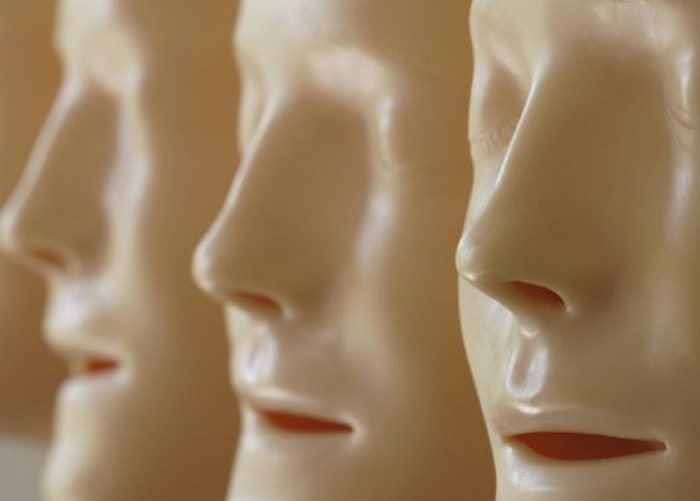
1. The face and death: from the death mask to the profile photograph.
2. The present body: taxidermy, embalming and relics.
3. The absent body: the medium as a place of memory
4. Post-mortem memory archives: from the tombstone Facebook
Articles
Bruno, Paula “Transformación medial de la lápida al muro de Facebook: supervivencia y dinamización del micro archivo de memoria”. XVIII Jornadas sobre Alternativas Religiosas en América Latina. 16 al 19 de noviembre de 2015. Universidad Nacional de Cuyo, Mendoza, Argentina
Bruno, Paula “Retratos postmortem de Prilidiano Pueyrredón y Benjamín Franklin Rawson. Una aproximación antropológica a la relación con la muerte a través de las imágenes”. XI Jornadas Arte e Investigación. Instituto Payró. 26, 27 y 28 de noviembre de 2014. Auditorio del Archivo y Museo Históricos del Banco de la Provincia de Buenos Aires “Dr. Arturo Jauretche”, CABA.

