
Gaze, Exposure and Apparatus
Greta Winckler, Paula Bruno Garcén
Abstract
Images are not simply in the world: they are anchored in a certain “staging” that conditions and demarcates the ways in which we symbolize them. Embodied in different media and spaces, through different techniques, the materialities involved in the creation of images demarcate how we encounter or how we position ourselves before them. There are different terms that help us to think about this interweaving of the material and the symbolic. One of them is apparatus
Derived from the Latin dispono (to arrange, place, distribute, order), it has had different uses and applications. In the field of image theory, we can think of it as everything that, inside or outside the margins of the image, contributes to arranging the space of the image itself and to organizing its relationship with the viewer, configuring the gaze in some way. In this way, the device has a material-spatial dimension (for example, by framing the images or creating margins) and at the same time a mental dimension, linked to how we receive the images. In other words, the different optical-spatial articulations shape specific conceptions of vision and of the subject in relation to the world. Every device then puts into play a lighting regime, as well as distributing or programming the order of bodies, surfaces and gazes. What is interesting in these cases is that the activity that is decided in the devices has no pre-given or natural foundation, for this reason the devices always imply a process of subjectivation: they must produce a subject.
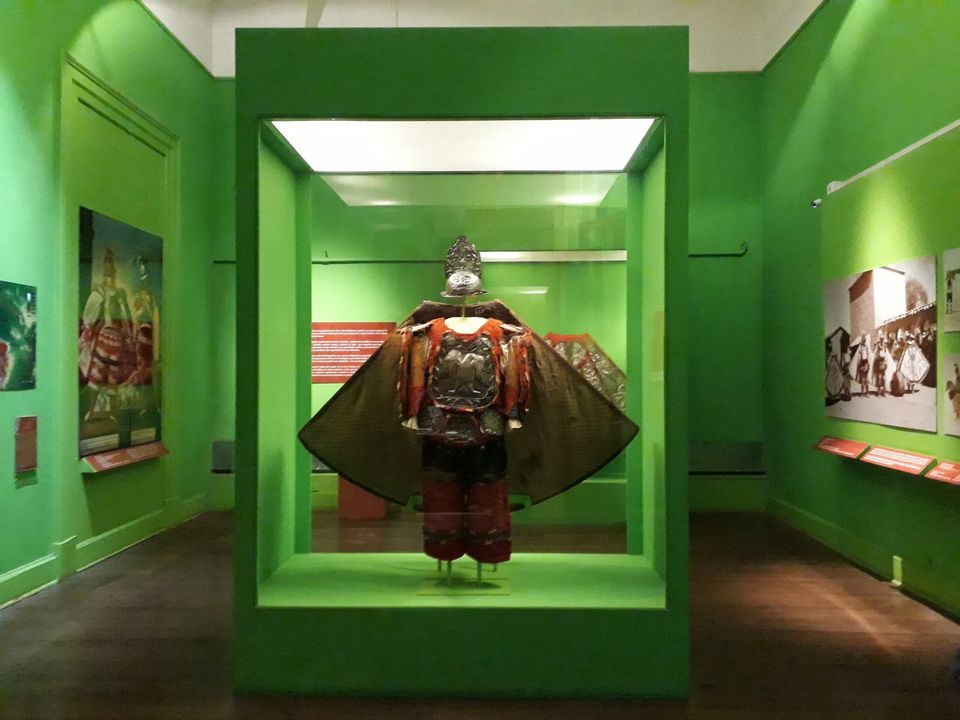
If we talk about staging and devices, exhibition spaces become privileged sites to understand how a gaze is configured, how an object of interest is created or even how the difference is drawn between subjects who look and those who are looked at. Without a doubt, museums are the devices par excellence to think about this construction of subjectivities, whatever their type. In all these places, the fundamental gesture is that of assembling, which implies arranging images and artifacts and generating new relationships between them, previously unthinkable, that form new ways of knowing, true visual forms of knowledge.
Exhibitions, museums (artistic, historical, anthropological, scientific), optical viewing rooms, and a long etcetera are the focus of attention of the various works framed within this line of research. Included here are the projects that investigate these different exhibition spaces, their exhibition strategies and the montages that are put into play, thinking of them as devices that create objects of interest. These perpetuate or rebel against old views: either they make their montage experiences tools that reflect and support the status quo; or they can be thought of as “war machines” (as Georges Didi-Huberman proposes), bearers of unfinished meanings and in constant movement, which question the current state of things. It is in these montages - dialectical, critical - that true spaces of thought are built
Publications

