Participants
VII Seminar Anthropology and Image
Image and Knowledge: The Humanities in the Contemporary Digital Scene
Participants
EduVRGameLab

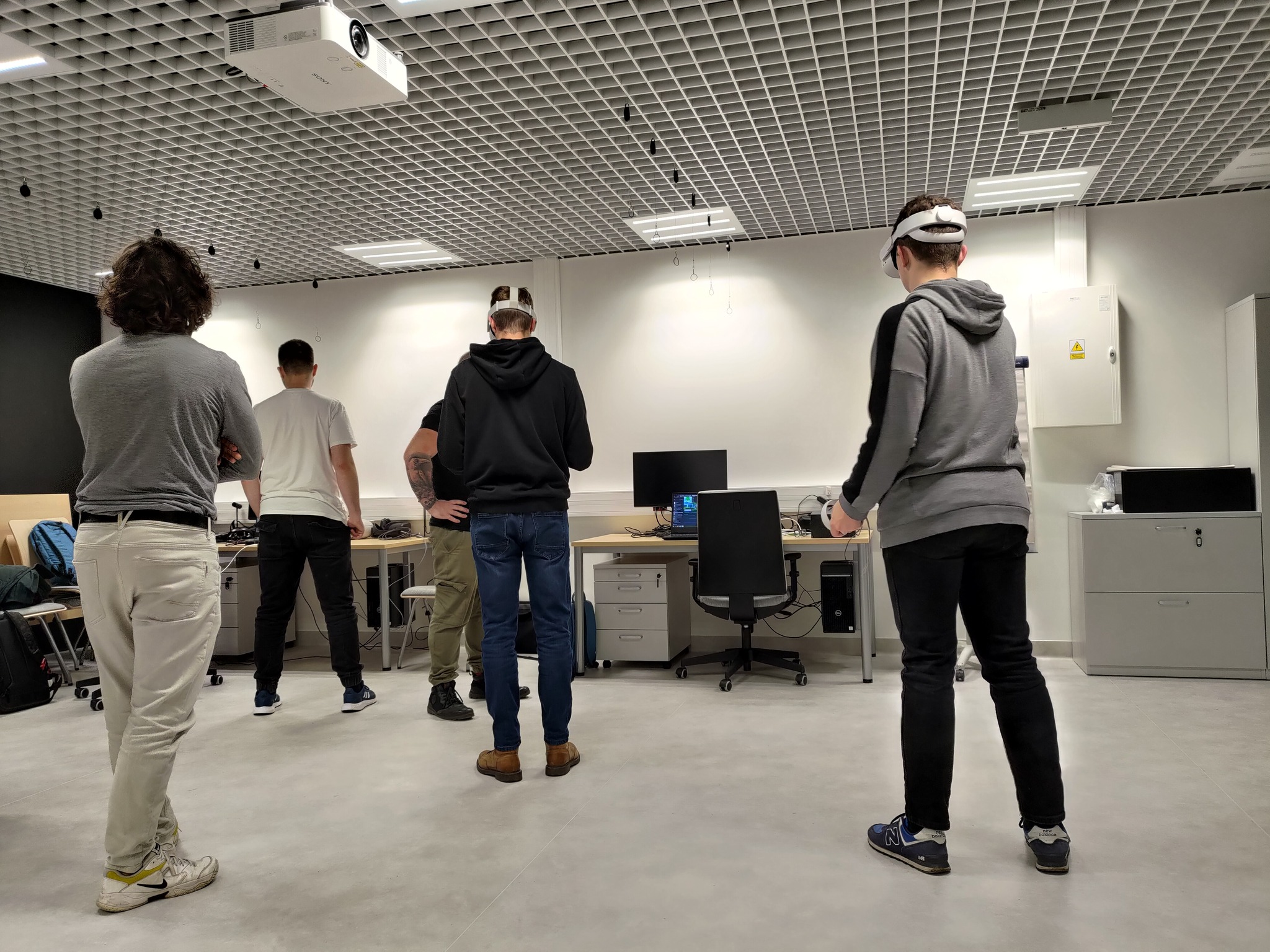
Is an inter-departmental research unit at the Faculty of Humanities at AGH University of Krakow. We study and utilize the socio-cultural, educational, and communicative potential of immersive technologies (VR, AR, MR) and digital games. Our activities include conducting interdisciplinary research projects — for example, investigating the use of VR to cultivate prosocial and pro-environmental attitudes, applying VR in philosophical education, and studying the anthropology of VR — as well as offering academic courses for students and designing original immersive applications. Facultad de Humanidades de la Universidad AGH de Cracovia. Estudia y utiliza el potencial sociocultural, educativo y comunicativo de las tecnologías inmersivas (RV, RA, RM) y los juegos digitales.
Sus actividades incluyen la realización de proyectos de investigación interdisciplinarios -por ejemplo, investigar el uso de la RV para cultivar actitudes prosociales y proambientales, aplicar la RV en la educación filosófica y estudiar la antropología de la RV-, así como ofrecer cursos académicos para estudiantes y diseñar aplicaciones inmersivas originales.
Jowita Guja
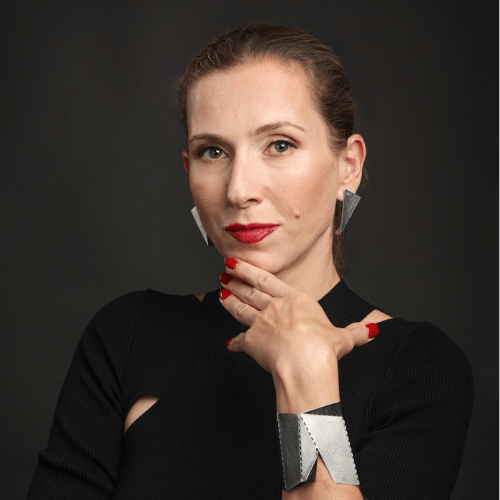
Philosopher and cultural studies scholar, Professor at the Faculty of Humanities at AGH University of Krakow. She is the head of the Research Laboratory EduVRGameLab at AGH University. Her research interests include virtual reality, philosophical anthropology, and the analysis of popular culture. She is the co-author of the experimental VR application The Cave, presented at events such as the Art*VR Festival of Virtual Reality and Immersive Art in Prague, the Ground Control exhibition during the Venice International Film Festival, and the Patchlab Festival in Kraków.
Es coautora de la aplicación experimental de RV The Cave, presentada en eventos como el Festival Art*VR de Realidad Virtual y Arte Inmersivo de Praga, la exposición Ground Control durante el Festival Internacional de Cine de Venecia y el Festival Patchlab de Cracovia
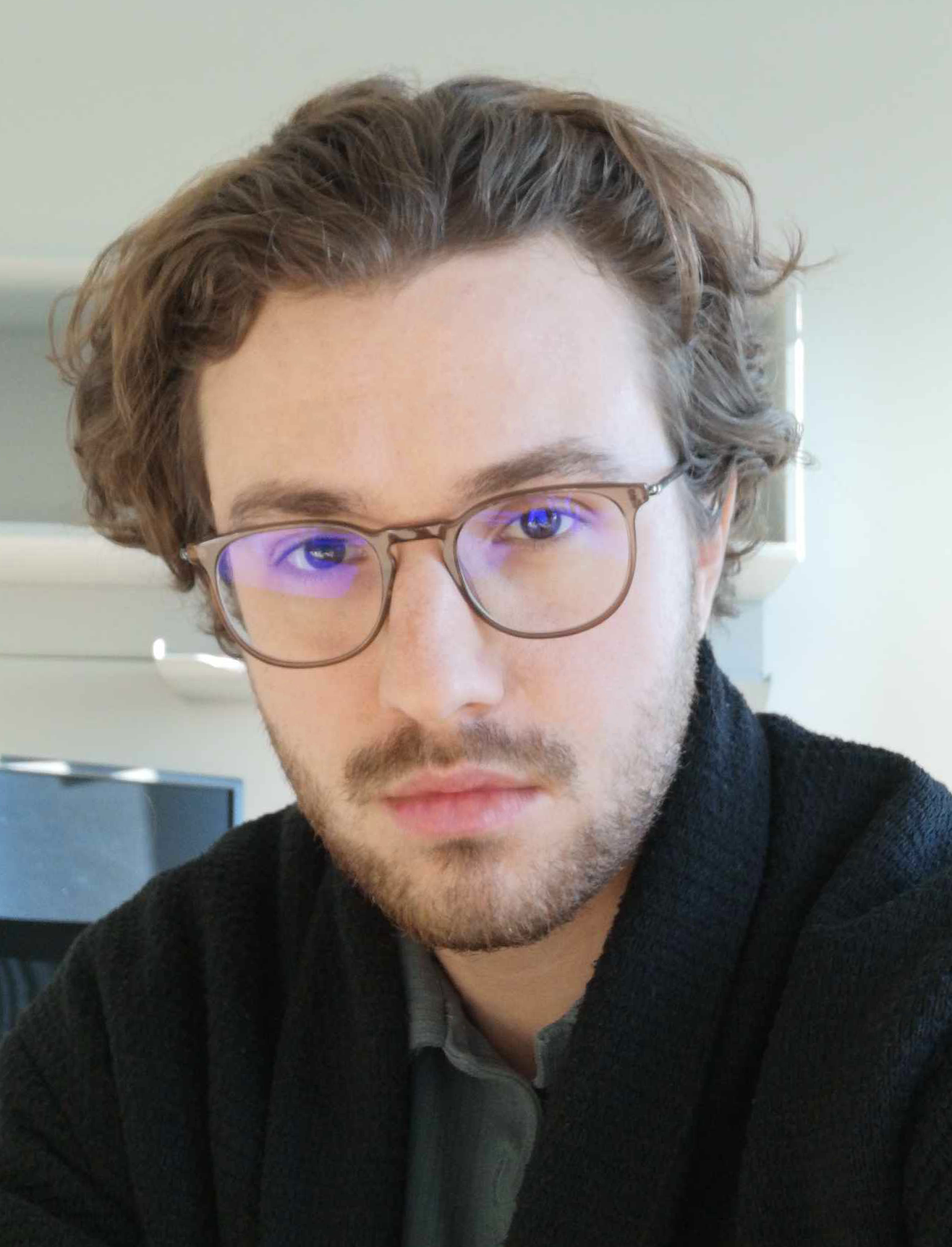
Jan Waligórski
Techno-anthropologist and cognitive scientist, PhD student at the Faculty of Humanities at AGH University of Krakow. He conducts posthumanist anthropological research on cyborgs and embodiment in VR and carries out digital ethnography among virtual cultures on social VR platforms. He is a member of the EduVRGameLab Research Laboratory and the founder of the academic project Wirtualium – one of the first academic conferences in VR worldwide.
Es miembro del laboratorio de investigación EduVRGameLab y fundador del proyecto académico Wirtualium, una de las primeras conferencias académicas sobre RV del mundo.
VRsophy: the Cave
Jowita Guja, Adam Żądło
"VRsophy: the Cave" is an interactive adaptation of the classic Plato's metaphor. The experience requires not only mental but also physical effort: this underlines the experiential dimension of philosophy. The core of the metaphor is a glitch in the Matrix, a discovery of a new reality; what is known and generally acknowledge turns out false again and again. We give the philosophical conception a new life through the sensual process of exploration that engage body in such interactions as swimming, going through spacious mazes, snatching, bending down, and listening.
Centros Clandestinos
Huella Digital

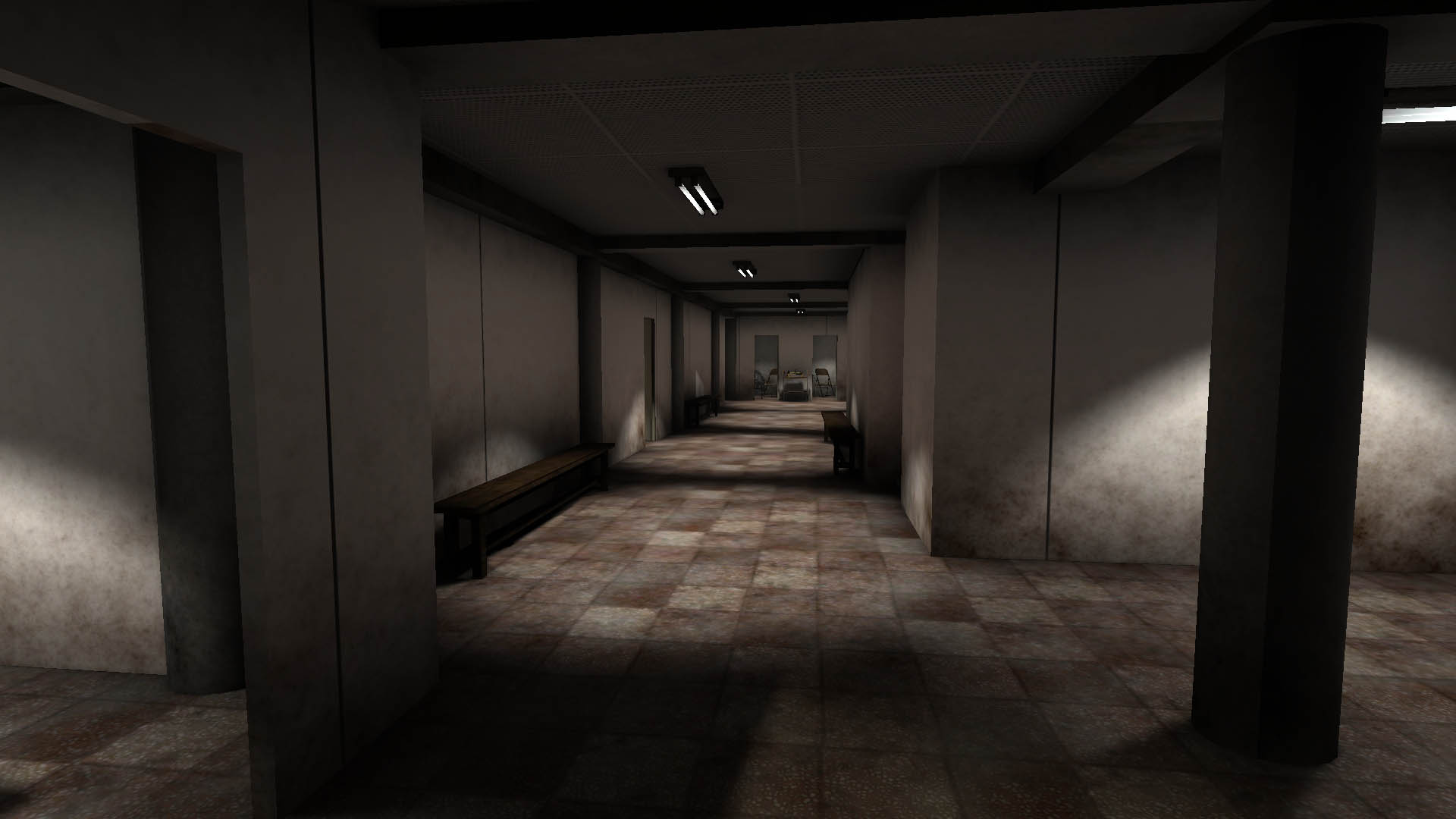
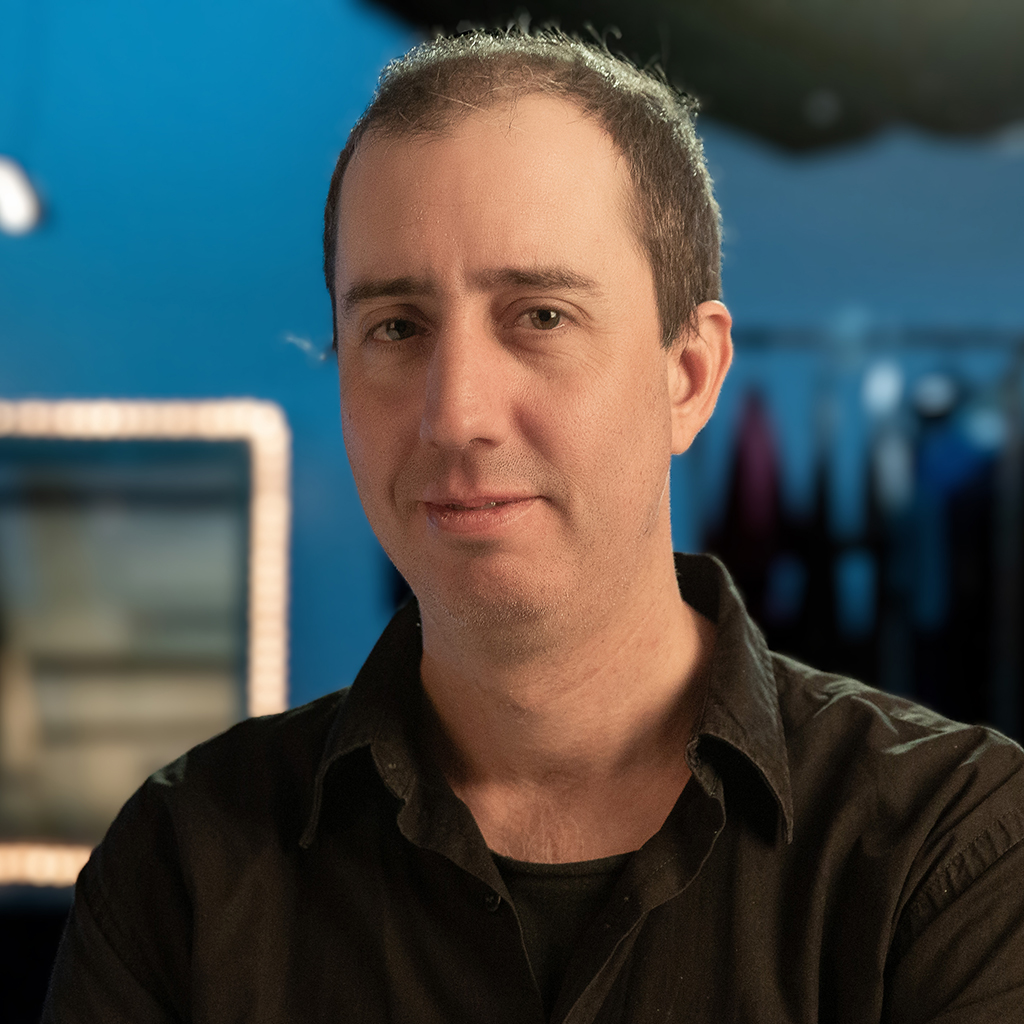
Diego Cagide
He is an Image and Sound designer, animation director and producer, graduated from the Faculty of Architecture, Design and Urbanism (FADU). He works as a director and producer in film, television and advertising projects in Argentina and abroad. He is co-director of Huella Digital, a multidisciplinary team dedicated to the production of interactive documentaries.
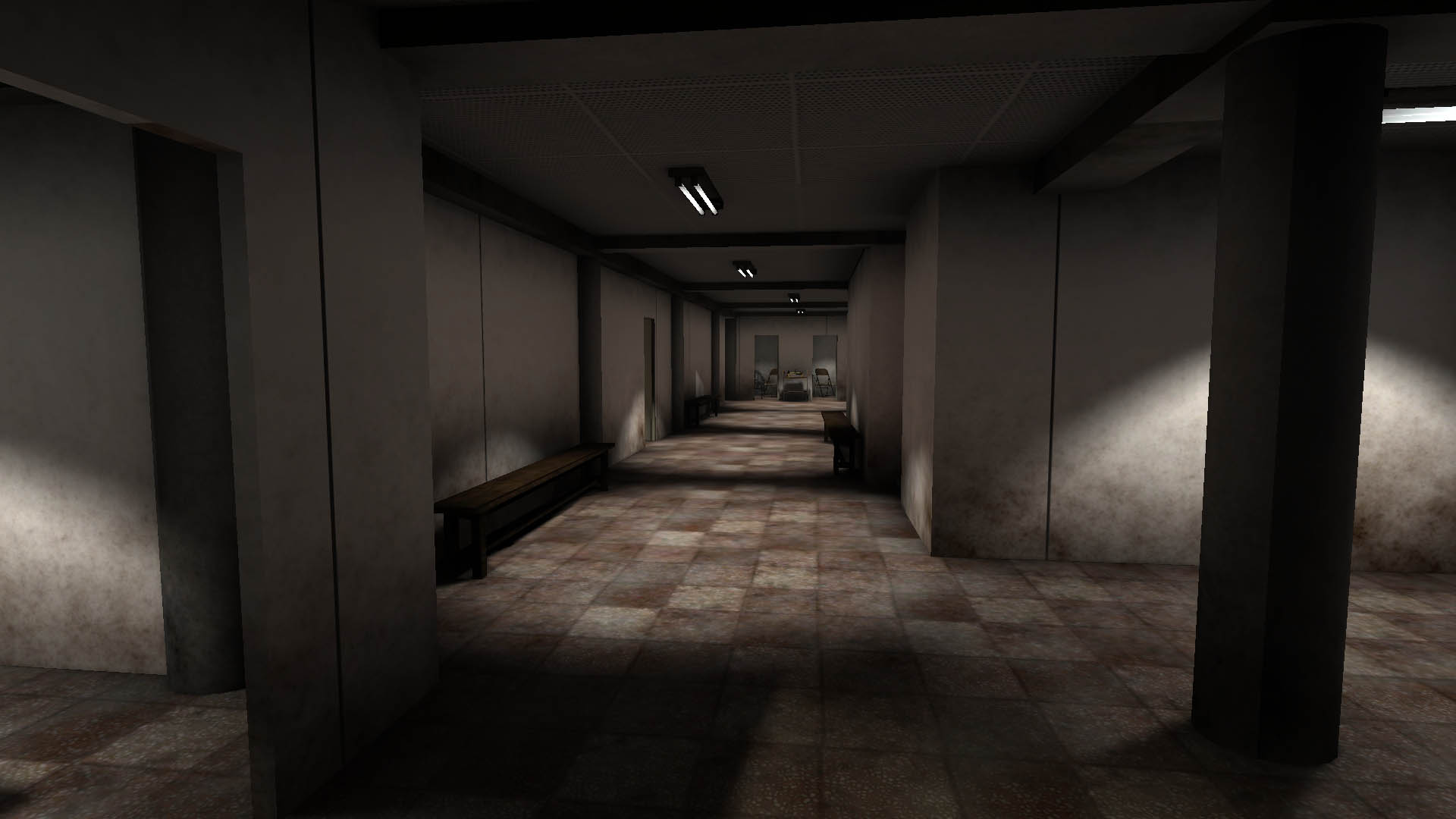
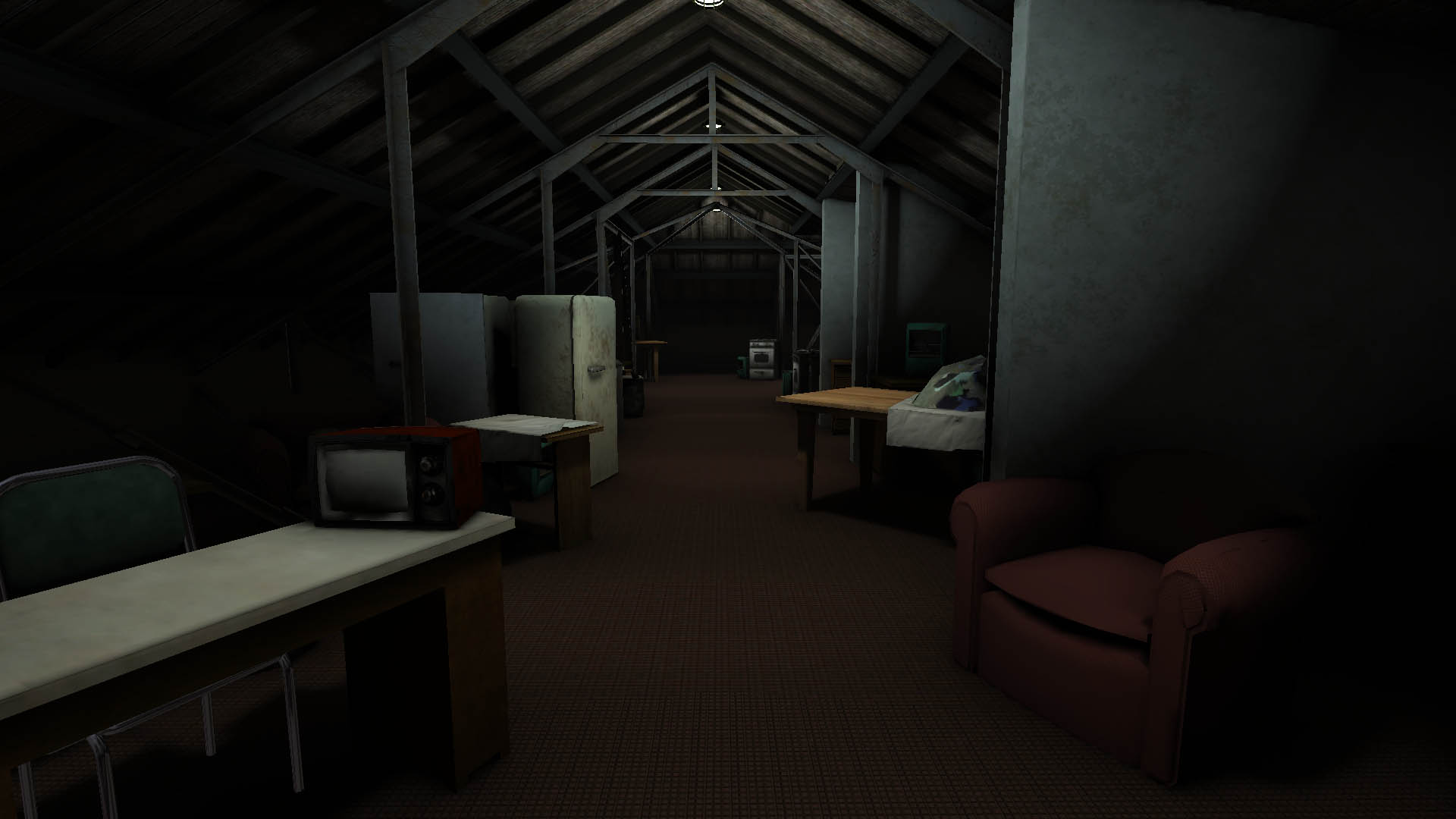
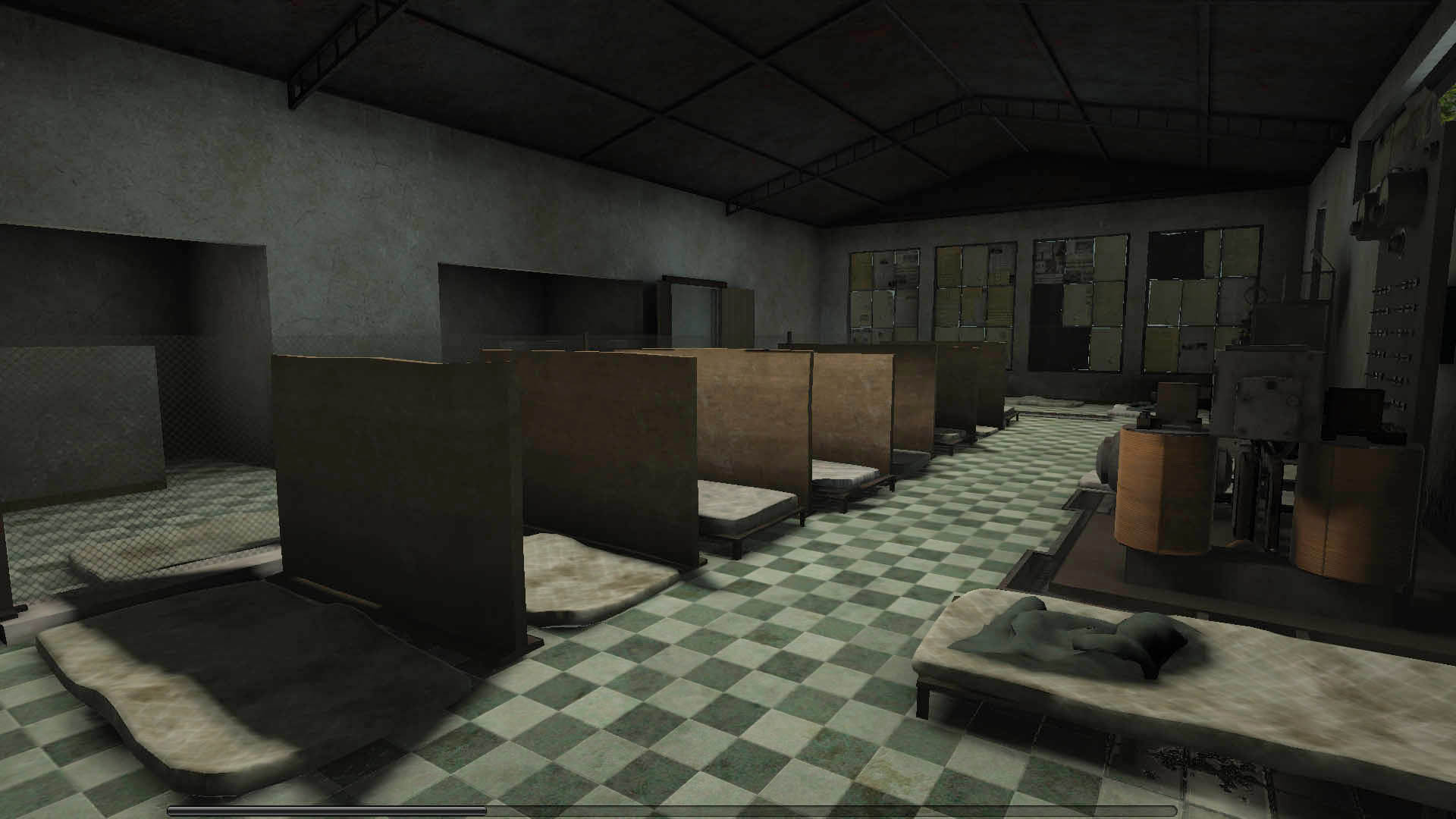
He made virtual reconstructions of some of the Clandestine Detention Centres that operated during the last civil-military dictatorship in Argentina. As a filmmaker, he directed Robotia, the film (2024) and the series Los Motorjón (2022), La Cocina de Tomás (2020), Monstruos de la Guarda (2018), Robotia (2017) and Minimalitos (2011-2018). He also worked as a scriptwriter, content writer, animator, post-producer and editor on numerous audiovisual projects. In addition, he directed several animated short films selected in national and international festivals. He is an assistant professor of 3D Animation at the University of Buenos Aires and teaches Synthetic Image Techniques at the National University of Quilmes. At the University of Palermo, in addition to teaching Digital Production III, he gives training courses for teachers on generative artificial intelligence.
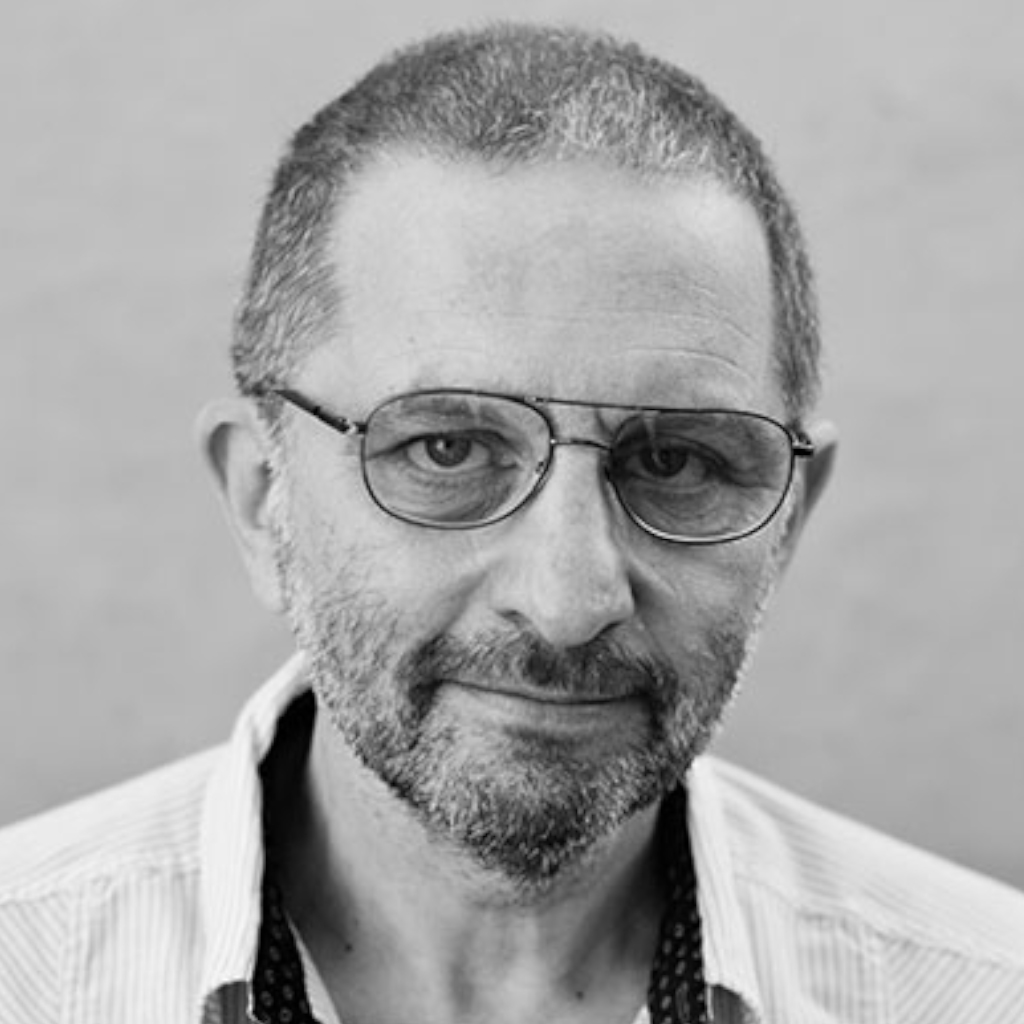
Martin Malamud
He studied Computer Science and Fine Arts. In 1991, he obtained a research scholarship in Computer Graphics in Lausanne, Switzerland.
He created and directed several animation and special effects studios: Imágica in 1992, Kaos in 1997 and Malabar in 2001 (www.malabar.tv). He has participated as a teacher or speaker in various congresses and meetings in the field of animation and computer graphics.
He is also active in the visual arts as illustrator. From 1993 to 2022, he was a professor of computer animation at the University of Buenos Aires.
In 2008 he created the group Huella Digital, which he co-directed with Diego Cagide. His most important project is the interactive documentary that reconstructs some of the main clandestine centres that operated in Argentina during the last military dictatorship.
BA-LOGIC | BA-AI Lab

We are a group of philosophers, mathematicians, and computer scientists from the University of Buenos Aires and CONICET, specialized in Philosophical and Mathematical Logic. Our workplace is the Institute for Research in Philosophy of the Argentinean Society of Philosophical Analysis (IIF-SADAF) and the Faculty of Philosophy and Letters of the UBA. Our main interests include paradoxes, non-classical logics, substructural logics, model theory, proof theory, and theories of truth. In addition to our foundational research, we are deeply engaged with artificial intelligence, technological innovation, and the application of advanced logical methods to real-world problems.
Eduardo Barrio
Eduardo Alejandro Barrio is Senior Researcher at the IIF-SADAF-CONICET and Regular Professor in the area of Logic at the Faculty of Philosophy and Letters of the University of Buenos Aires. He is Vice-Director of IIF-SADAF-CONICET, Director of BA-LOGIC and of the BA-AI Lab (a centre devoted to the analysis of Language Models and AI). He has participated in numerous international cooperation projects (British Academy, DAAD, DFG, ECOS-Sud, NEH-USA, HORIZON-MSCA-2021-Staff Exchanges). He has been visiting professor at MIT and CUNY (USA), CNRS - ECOLE NORMALE SUPERIEURE (France), MCMP (Germany), University of Oxford (UK), University of Cagliary (Italy). He is associate editor of Analysis (Oxford UP). He coordinates the STAN: ‘Advice on the evaluation of Large Language Models’ CONICET and is the director of the PIDAE: ‘Development of Adversarial Benchmarks for reasoning in Spanish variants’.
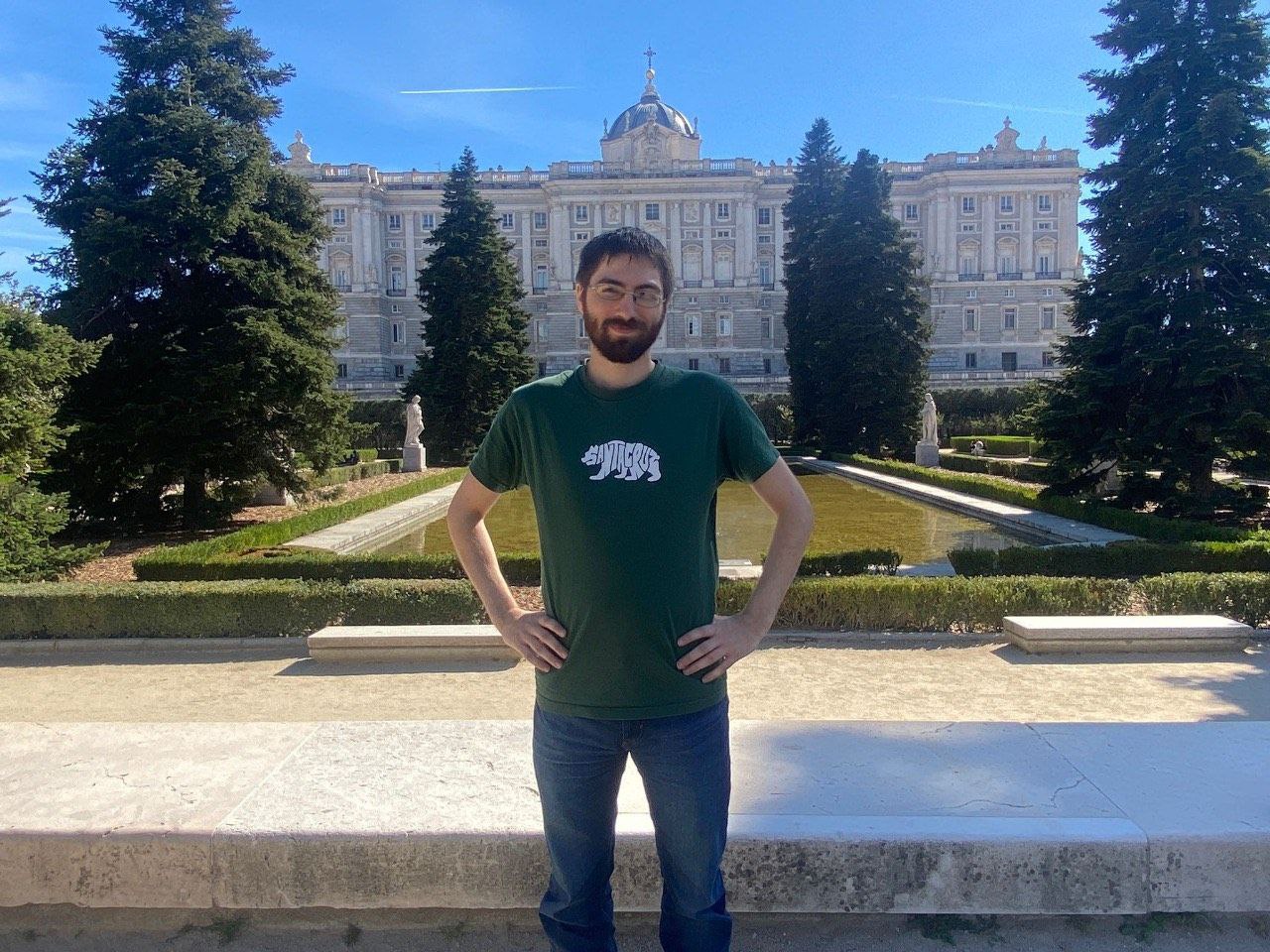
Joaquin Toranzo Calderón
He is a doctoral fellow at the IIF-SADAF-CONICET and teaches Logic at the Faculty of Philosophy and Letters of the UBA, as well as lecturing at UTN and ITBA. He participates in the BA-AI Lab centre on language model evaluation and in the GIAR (AI and Robotics Research Group, UTN). He currently coordinates together with Ramiro Caso and Mauro Santelli the Language Model Evaluation Group with weekly meetings since 2024 at SADAF, participates in the UBA-PIDAE ‘Development of Adversarial Benchmarks for reasoning in Spanish variants’ contributing with his experience and training in Philosophy and Engineering, and will soon start leading the UTN-PID project ‘Development of adversarial reasoning evaluations for language models’.
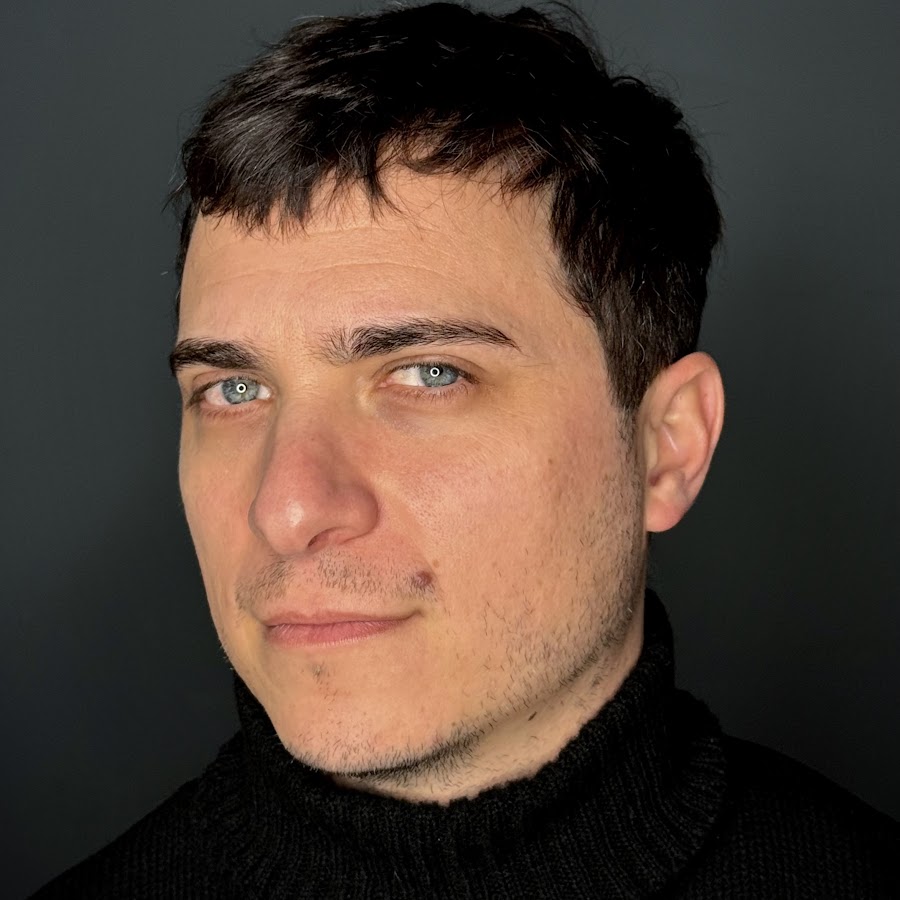
Lucas Turturro
Lucas Turturro is a film director and visual artist, a graduate of the Universidad del Cine. His work explores the boundaries between fiction, reality and experimentation, addressing themes such as the collective unconscious and the world of artists. He directed Cómo mueren las reinas (2021), selected for the Malaga, BAFICI and Tallinn festivals. His documentary Un rey para la Patagonia (2011) received awards in Mar del Plata and Malaga, and was screened internationally.
In the sphere of video art, he presented La Sombra Invertida at the MACBA El peso de una piedra at the Biennial South, while his work Inconsciente has participated in festivals in America and Europe. He was director of the TEC channel, the first Argentinean channel dedicated to science and technology, and responsible for the artistic area of Canal Encuentro. He is currently exploring the crossover between digital art, AI and new forms of audiovisual representation.
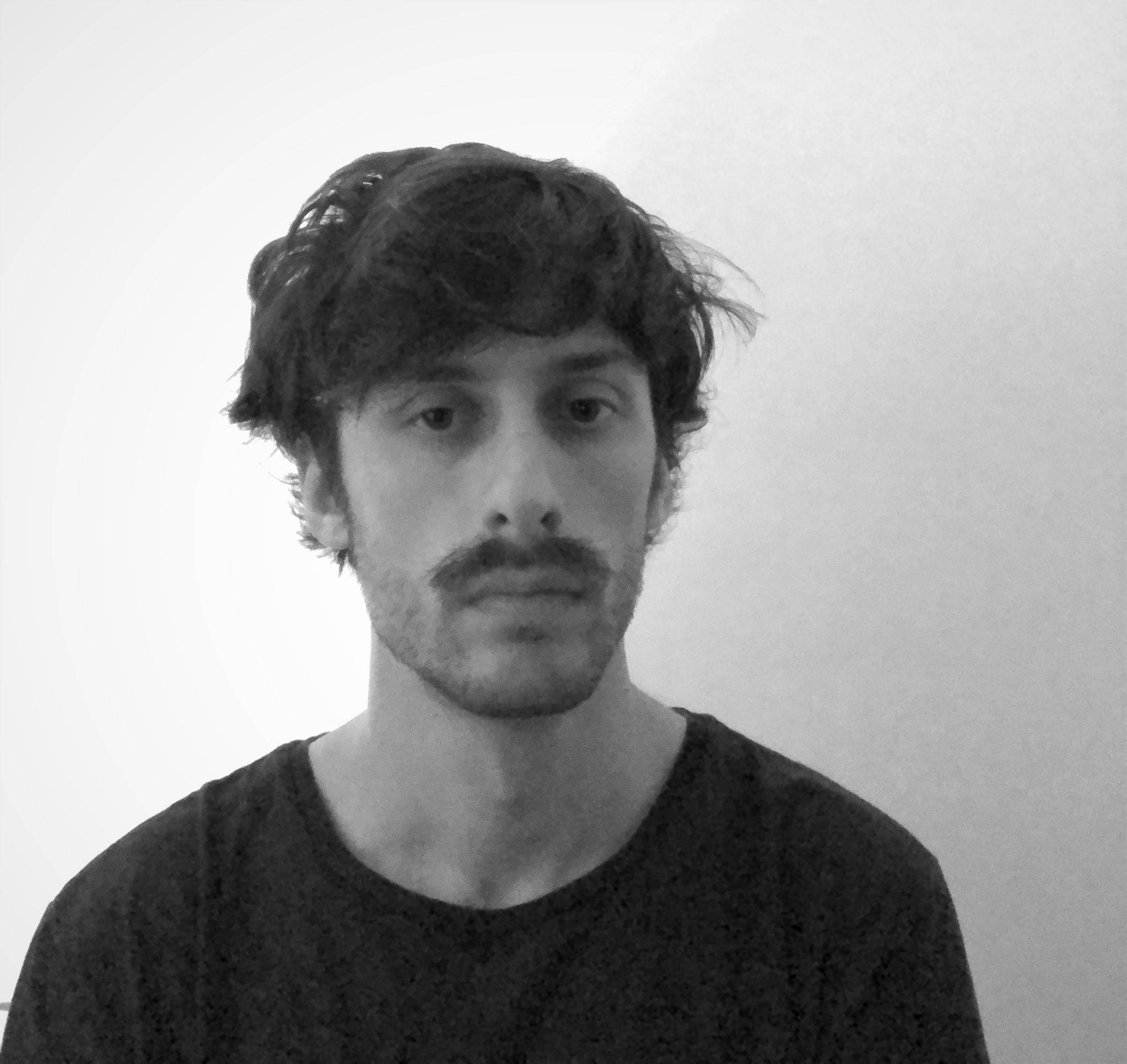
Stefano Storchi
He graduated in Image and Sound Design from the Faculty of Design at the University of Buenos Aires and currently works there as a teacher and researcher. He is an audiovisual producer, editor, animator, and photographer. His works blend the intervention of image and sound. In 2020, he received support from the Cultural Patronage program for his book "Argirópolis." In the 2021-2022 edition of the Biennial of Young Art, his medium-length film project "Argirópolis" was selected in the Audiovisual Experimentation call: film with archival material, and was later premiered at BAFICI in 2022. He participated in Talents Buenos Aires 2022. He is currently receiving a creation and training grant from the National Arts Fund and Mecenazgo Cultural for the development of his virtual reality experience "Japeusa" from the Mbya-Guraní perspective.
En 2020, recibió apoyo del Mecenazgo Cultural para Argirópolis, un libro y mediometraje basado en los textos míticos del Ayvu Rapyta y archivos estatales. El proyecto fue seleccionado en la Bienal de Arte Joven 2021-2022 y estrenado en BAFICI 2022. Desde 2020 desarrolla Japeusa, experiencia de realidad virtual sobre el tiempo cíclico y la desconexión cuerpo-entorno desde la cosmovisión mbya-guaraní. Actualmente recibe becas de creación y formación del Fondo Nacional de las Artes y Mecenazgo Cultural.
Programa de Arqueología Digital
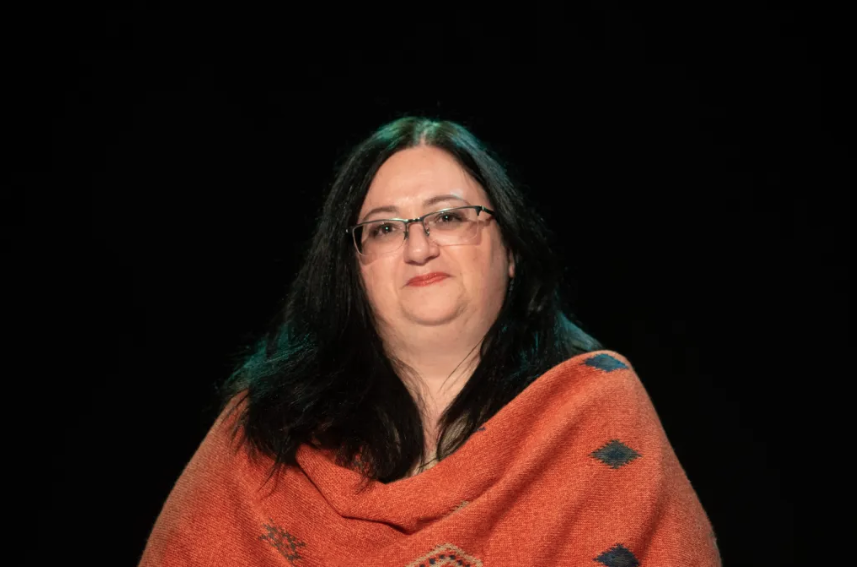
Roxana Cattáneo
Archaeologist specialising in the study of hunter-gatherer societies in Argentina with an emphasis on the regions of Patagonia and the Central Sierras, particularly interested in aspects of the organisation of lithic technology. Interest focused on the problems of early settlement in South America. General interest in the management of archaeological heritage and museums using digital tools, as well as through GIS and land use planning. Application of archaeometric methodological developments in Argentina, especially related to functional and residue analysis of lithic tools. Digital archaeology, digital institutional repositories, open science. Experience in museums and heritage management.
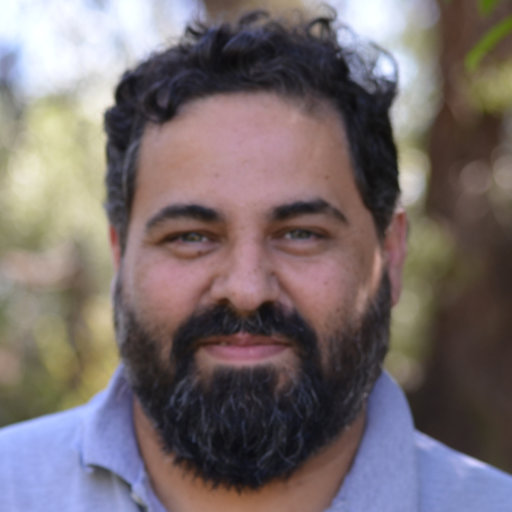
Andrés Darío Izeta
BA in Anthropology (UNLP 1998) and PhD in Natural Sciences (UNLP 2004). He is an Independent Researcher for CONICET and Professor in the Bachelor's Degree in Anthropology (FFyH, UNC). He is Director of the Journal of the Museum of Anthropology. He has been involved in research projects in Northwest Argentina (Santa María and Cajón, Catamarca) since 1998 and in the province of Córdoba since 2010. He has worked with faunal assemblages from Patagonia, the Northwest and Central Sierras of Argentina, as well as from the Hell Gap Site (Wyoming, USA). In recent years he has conducted regional archaeology (Córdoba) focusing on the study of hunter-gatherer societies of the northern Sierras Chicas, in particular their relationship with the environment over time. She has been working on urban archaeology in the city of Córdoba since 2010. In recent years he has specialised in the development of Digital Archaeology. He has been and is the director and co-director of undergraduate and postgraduate scholarship holders and thesis students.
Laboratory of Anthropology and Visual Archaeology



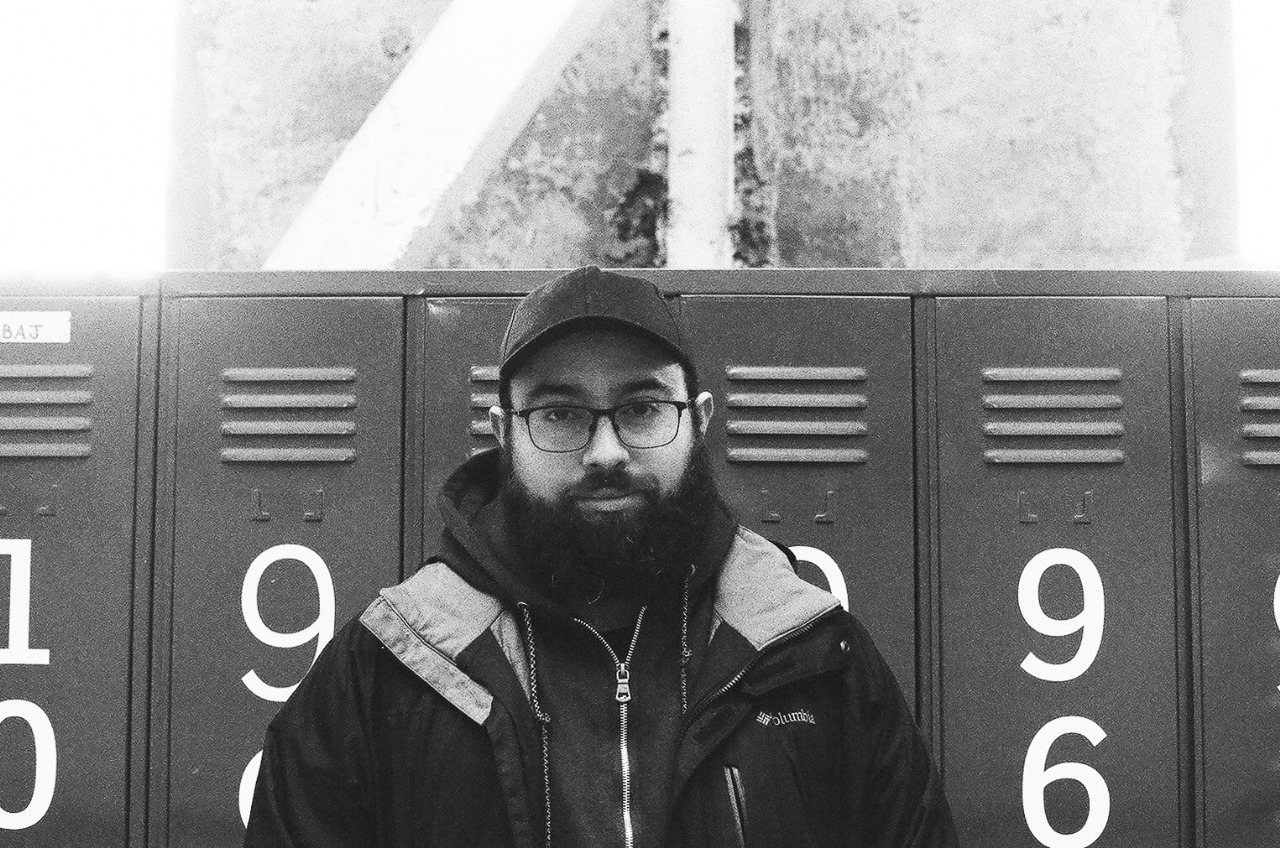
Víctor Méndez Muñoz
He is an Archaeologist (University of Chile) and Master in Virtual Heritage (University of Alicante). He is currently Associate Professor at the Pontificia Universidad Católica de Chile, where he works as coordinator of the Digital Archaeology area of the Directorate of Applied Studies, member of the Laboratory of Anthropology and Visual Archaeology and also coordinator of the Management Plan of the Loa Scientific Station.
Su principal foco de investigación se relaciona con las Arqueologías Digitales/Virtuales. Su interés es proporcionar medios para un aprendizaje profundo sobre las comunidades humanas del pasado, además de proporcionar espacios para la transmisión abierta del conocimiento a la comunidad, tales como las exposiciones «Renaico: Entre árboles y viento)» (2022, «Personas de la Tierra. Figurillas desde la corporalidad diaguita» (2024), y «Piedras marcadas y territorio. Arte rupestre en la región de Coquimbo» (2025).
También es co-investigador del Proyecto FONDECYT Nº1240193 sobre el poblamiento inicial de la cordillera andina
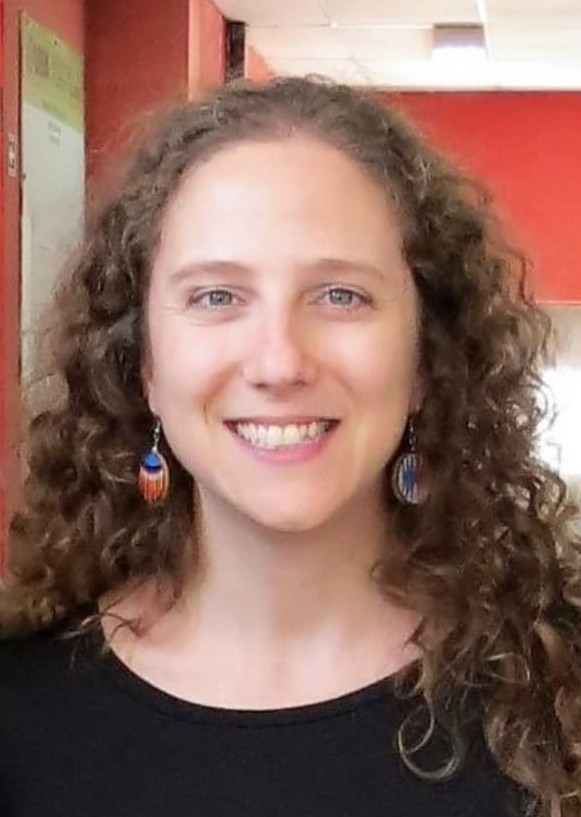
María Gabriela Mayoni
She holds a PhD in Anthropology from the University of Buenos Aires and a degree in Conservation and Restoration of Cultural Heritage from the National University of the Arts. She has been a postdoctoral researcher CONICET, Argentina and her academic and professional career is closely linked to research, management and conservation of cultural heritage and scientific heritage. She is dedicated to the study of collections, museums and the teaching of natural sciences in Argentina between the end of the 19th century and the first half of the 20th century. Internationally, she collaborates with research groups in Chile, Brazil, Uruguay, Italy, Portugal and especially in Spain (Madrid, Barcelona and Valencia). She is a founding member and co-coordinator of the Ibero-American Network for the History of Science Education (REDiHEC). She presents her work at conferences and seminars in Europe and America and publishes in scientific journals of international impact in the areas of history of science, museums and cultural heritage. She is currently researcher and curator of the Museum of Pharmacobotany ‘Juan A. Domínguez’ of the Faculty of Pharmacy and Biochemistry of the University of Buenos Aires.
CeDinCi-UNSAM
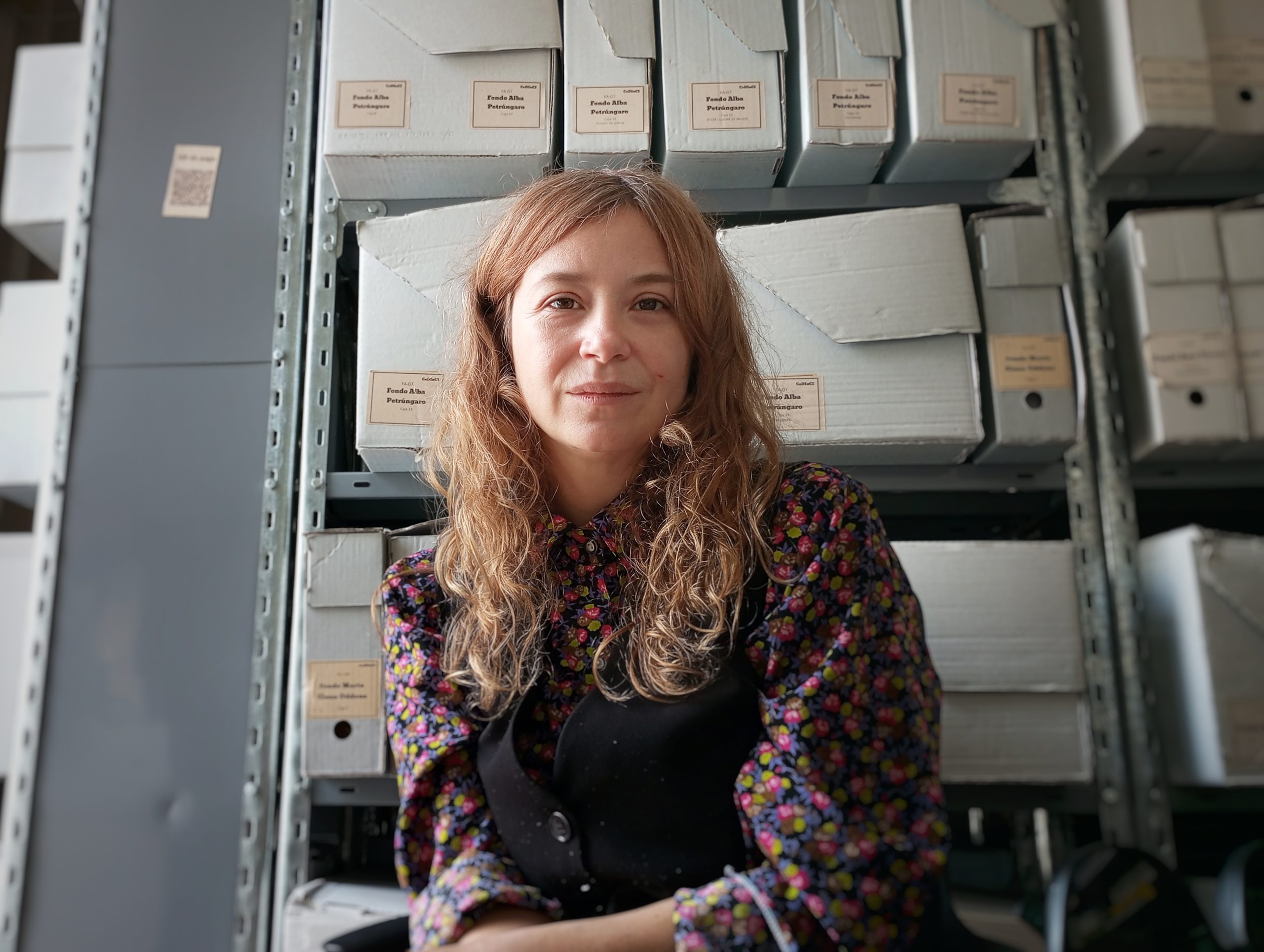
Eugenia Sik
She coordinates the area of Archives and Private Collections at the Centre for Documentation and Research on Left-wing Culture (CeDInCI-UNSAM). She holds a Diploma in Library and Information Science from the University of Buenos Aires (UBA). She studied archival studies and history at the same university. She studied a Diploma in Digital Humanities (UCES) and is currently studying for a Master's degree in the same field at the Universidad Nacional de Tres de Febrero (UNTREF). She teaches Introduction to Archival Science and Notions of Documentary Management in the Diploma in Archival Science and Documentary Management (UNTREF). She has lectured on Principles of Archival Science and Public and Private Archives at the University of Buenos Aires (UBA).
Forma parte del comité organizador del Congreso Internacional sobre Archivos Personales, espacio interdisciplinario que a la fecha cuenta con tres ediciones (2017, 2019 y 2023). Obtuvo una beca de investigación de la Hoover Library and Archives (Universidad de Stanford). Formó parte del comité asesor del Sistema Nacional de Documentación Histórica (Ministerio de Ciencia y Tecnología). Se desempeñó profesionalmente en diferentes bibliotecas y archivos, dicta cursos de capacitación y brinda asesoramiento, en particular, a archivos y centros de documentación. Sus intereses de investigación se relacionan con la Historia de las bibliotecas y la teoría, práctica y políticas archivísticas en la Argentina.
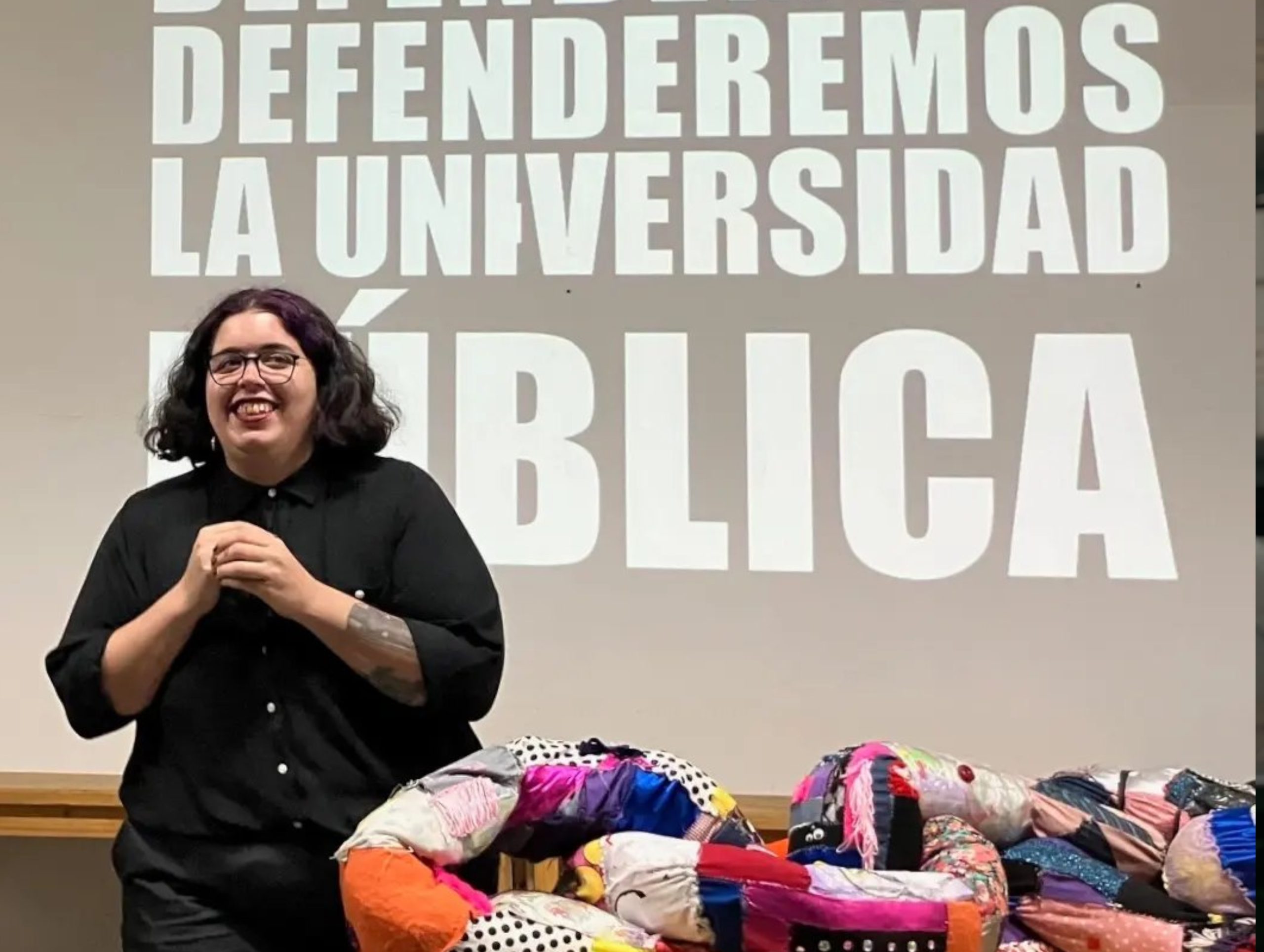
Jael Caiero
Artist, activist and researcher. Graduate in Electronic Arts (UNTREF). Between 2015 and 2019 she worked as a fellow at the Archive of the Institute for Research in Art and Culture Dr. Norberto Griffa (UNTREF) where she is currently working on the cataloguing and digitisation of various collections of writers, visual artists and art theorists. Since 2019 she has been collaborating with Sexo y Revolución, a programme of feminist and sex-gendered political memories (Centro de Documentación e Investigación para la Cultura de Izquierdas - Universidad Nacional de San Martín), where she has carried out tasks of digitisation and cataloguing of collections of sexual dissidence activists such as Marcelo Ferreyra and Rafael Freda
She worked as a professor in the Project Laboratory of the Diploma in Management of LGBTI+ Cultural Projects (Paco Urondo Cultural Centre - UBA) and in the Seminar of Artistic Practices in the Degree in Electronic Arts (UNTREF)
Sus intereses de investigación se vinculan a los archivos queer, con especial hincapié en las construcciones activistas y comunitarias de los mismos y sus movimientos por fuera y por dentro de las instituciones.
Archaeology of the Rio de la Plata area
The Rioplatense Archaeology team of the Ceramic Analysis Laboratory has been carrying out research and extension and communication work in the districts of Magdalena and Punta Indio since 1989. Different lines of work are being developed to address the following topics: The lifestyles and social dynamics of the societies that inhabited these territories during the late Holocene; ceramic technology; the use of faunal and plant resources; historical occupations, ranging from the beginning of European colonisation to the beginning of the 20th century: architectural heritage, the management of the landscape and industrial developments in the area.
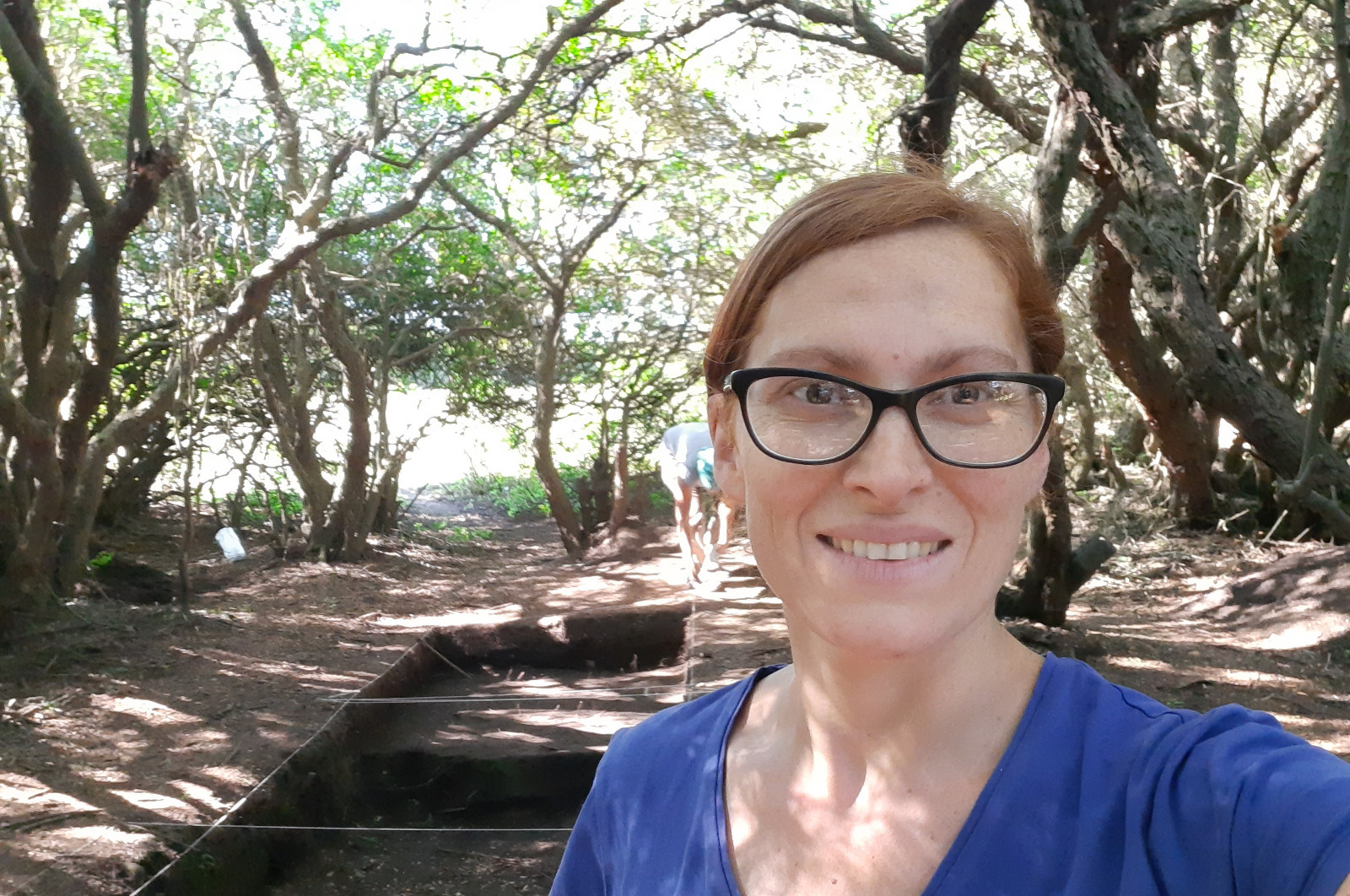
María Soledad García Lerena
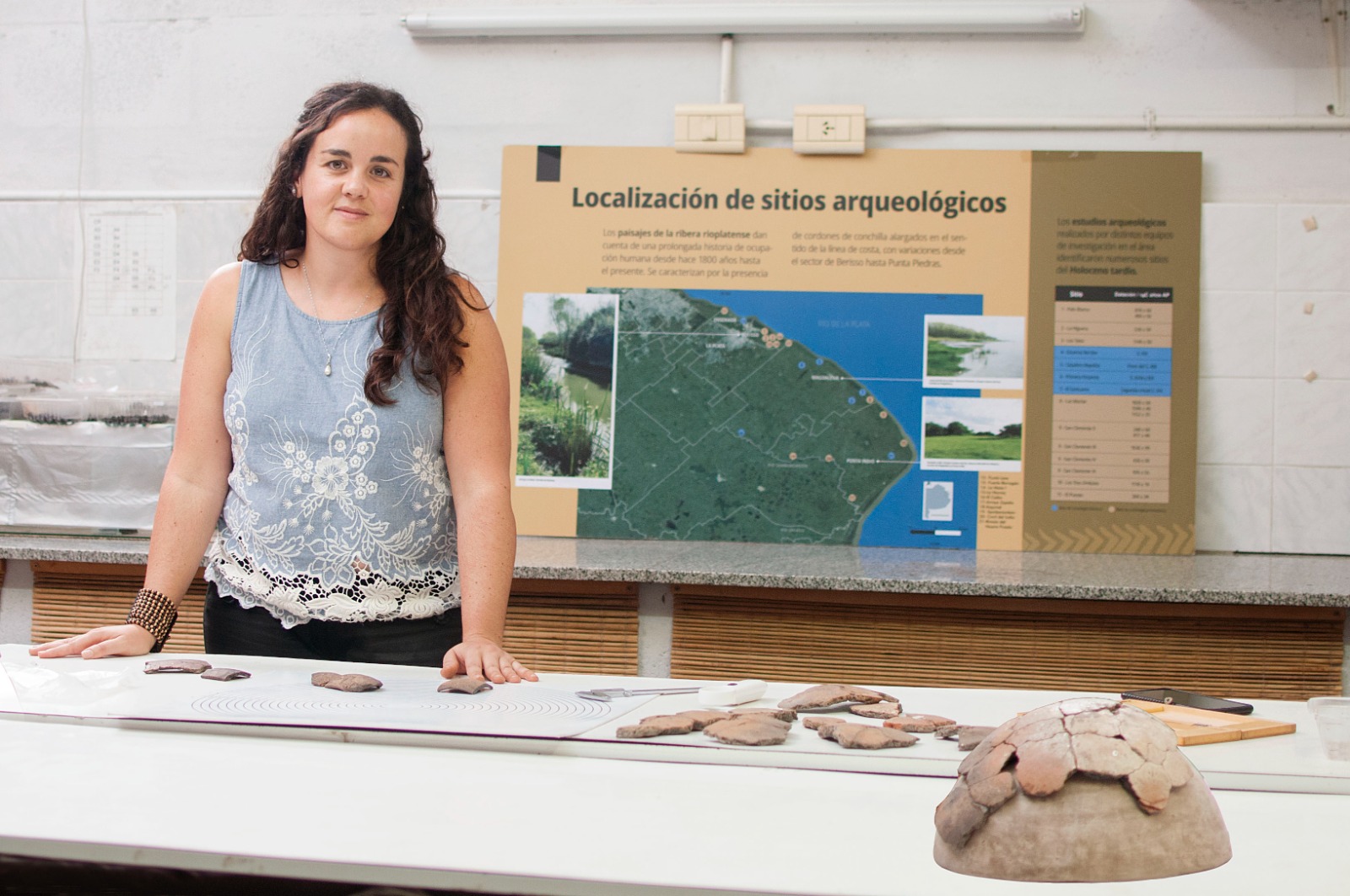
Naiquen Ghiani Echenique
Group of Studies on Heritage and History of Archaeological Practice and Communication Department of Humanities (IHUMA-UNS)
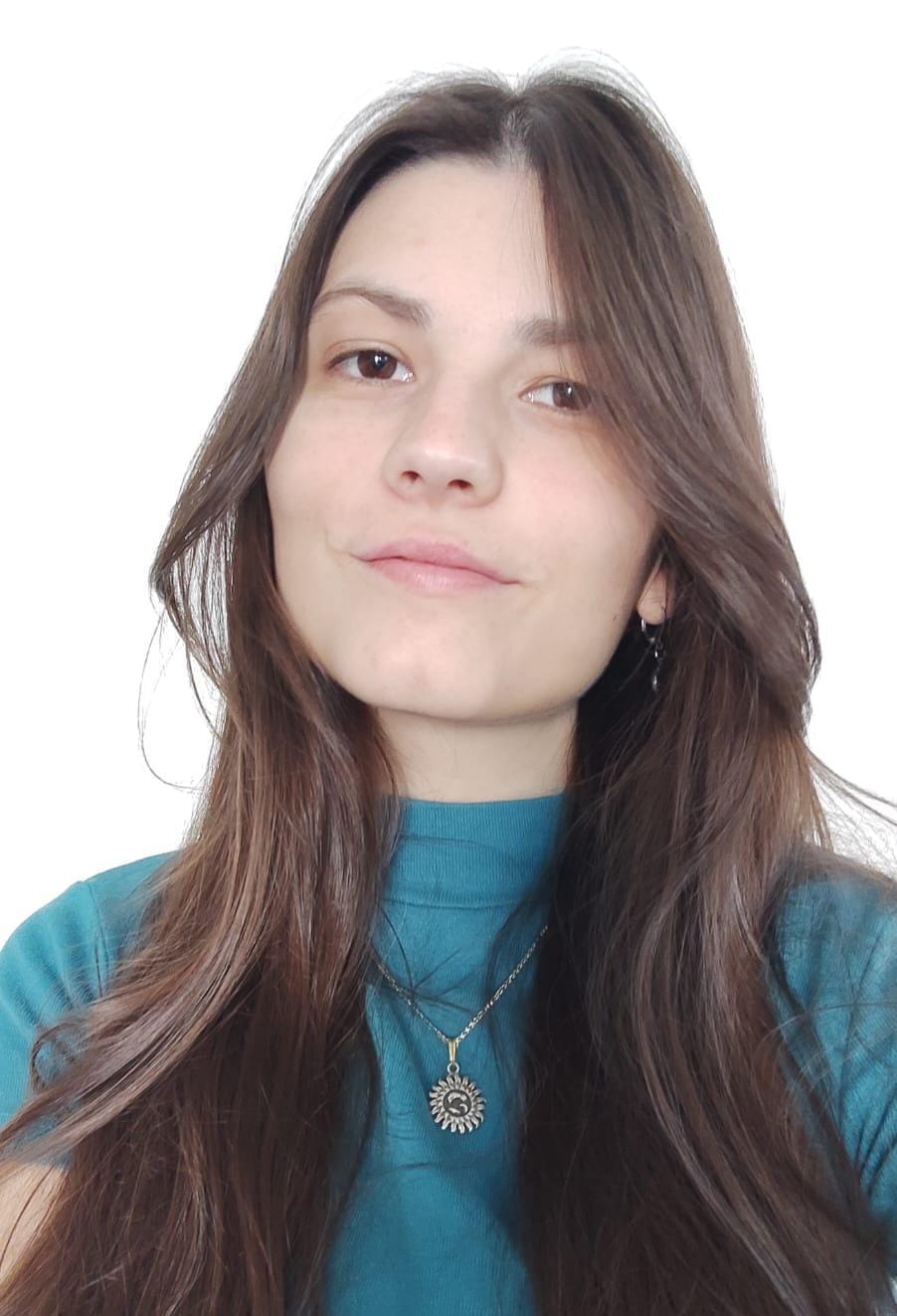
Candela Roteta Lannes
Professor of History at the Universidad Nacional del Sur (UNS). She is a doctoral fellow of the National Council for Scientific and Technical Research (CONICET) and is studying for her PhD in Archaeology at the UBA. She is a member of the Archaeology at the Crossroads Programme of the Heritage and History of Archaeological Practice and Communication Studies Group of the Department of Humanities (UNS). Her research focuses on the study of photography and photogrammetry in Pampean archaeology and the application of ICT in museum environments for the democratisation and accessibility in the communication of archaeological heritage. As an educator and communicator of Archaeology in crossroads, she is in charge of creating content and educational material for scientific communication in networks. She is part of the editorial committee of the magazine La Zaranda de Ideas, of the Wikimedistas en Ciencia Abierta Network of the Universidad Nacional de La Plata and is co-coordinator of the Wikimedistas en Cruce team.
Museum of the Caudillos | Historical Archaeology of the Llanos Sur
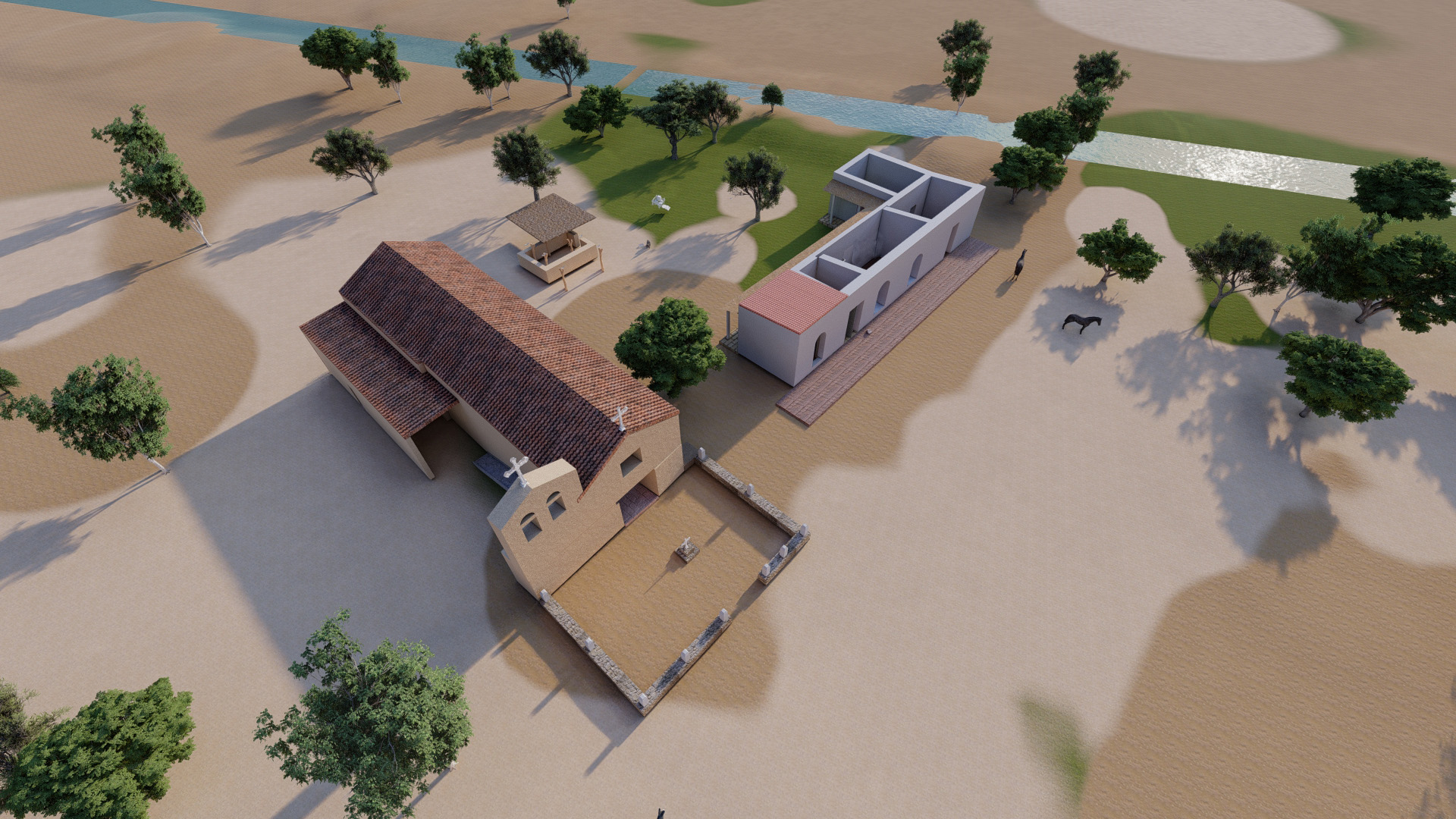
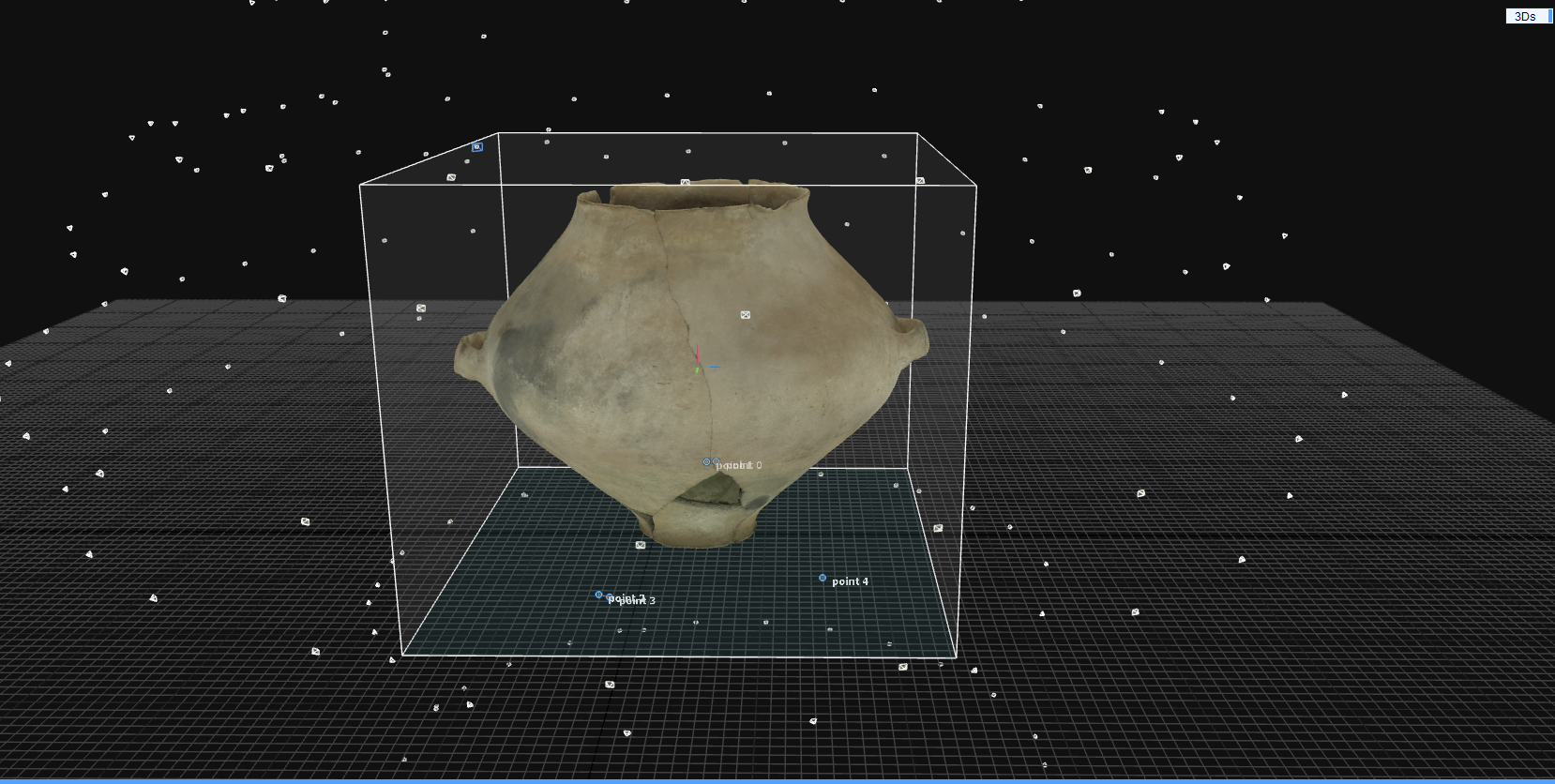
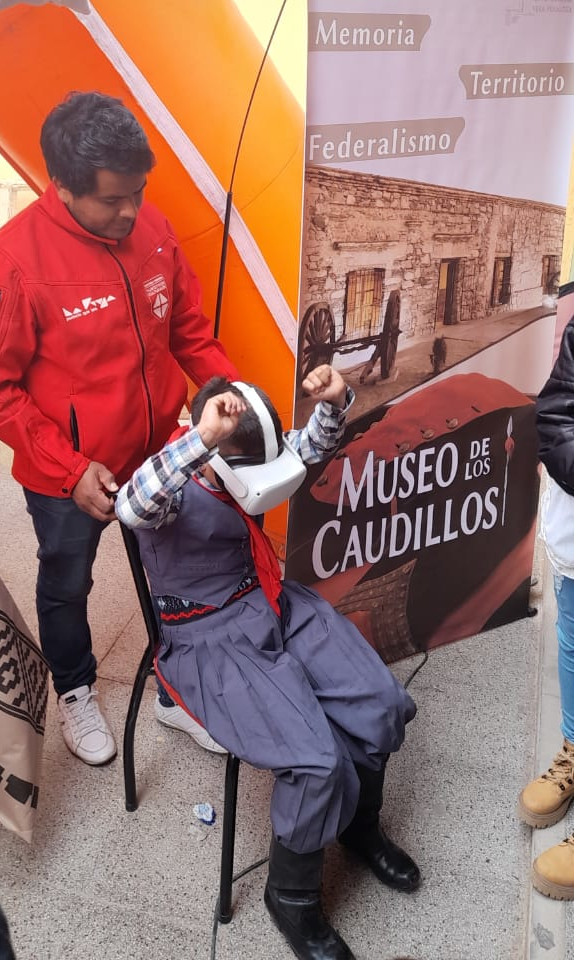
The Museum of the Caudillos (Municipality of Rosario V. Peñaloza, La Rioja) promotes historical and archaeological research in conjunction with oral history and local knowledge. Its objective is to value regional history and develop strategies for heritage preservation and dissemination. The Heritage Research and Management Department promotes the "Historical Archaeology of the Llanos sur" project, focusing on social transformations between the 18th and 19th centuries. A Digital Space was also created, with proposals for democratizing access to new technologies. 3D virtualization and virtual reality experiences were integrated here with support from the Williams Foundation (Ensayar Museos, 2022 and 2024).
Aniela Traba
She holds a degree in Anthropological Sciences (focus on Archaeology) and specializes in Archaeological Impact Assessment and Study (UBA). She is currently completing her Master's degree in Virtual Heritage (University of Alicante, Spain). A researcher in historical and urban archaeology, she works with digital technologies applied to heritage recording, analysis, and communication. She works as a technical advisor in heritage management and enhancement, with projects in Argentina and Chile. Since 2021, she has coordinated the Heritage Research and Management Area of the Museo de los Caudillos, where she promotes research, conservation actions, professional training, and museographic design. Since 2018, she has furthered her training in museum management and collections management. She is co-editor of Urbania, a Latin American journal of archaeology and history of cities, and develops independent heritage virtualization and GIS projects through @arqueo.dron.
Jorge Cabral Ortíz
He holds a degree in Anthropology (National University of Salta) and is Coordinator of Historical and Sociocultural Heritage for the Rosario Vera Peñaloza Municipality (La Rioja), where he is also in charge of the Museo de los Caudillos (Museum of the Caudillos). He specializes in archaeology in the Northwest Region, heritage management with communities, collections management, and education. He has directed and participated in research and enhancement projects for community sites and museums in the Calchaquí Valleys and the La Rioja Plains. Between 2017 and 2021, he was head of the Research, Collections, and Cultural Heritage Department at the Pío Pablo Díaz Archaeological Museum (Salta). He develops educational proposals that connect museum institutions with students at different levels and coordinates heritage virtualization projects using participatory approaches, integrating local knowledge, oral memory, and archaeological research.
Antarctic Archaeology "The Last Horizon"
Laboratory of Landscape Archaeology and Heritage of Uruguay, Faculty of Humanities and Educational Sciences, Eastern Regional Center, University of the Republic, Uruguay
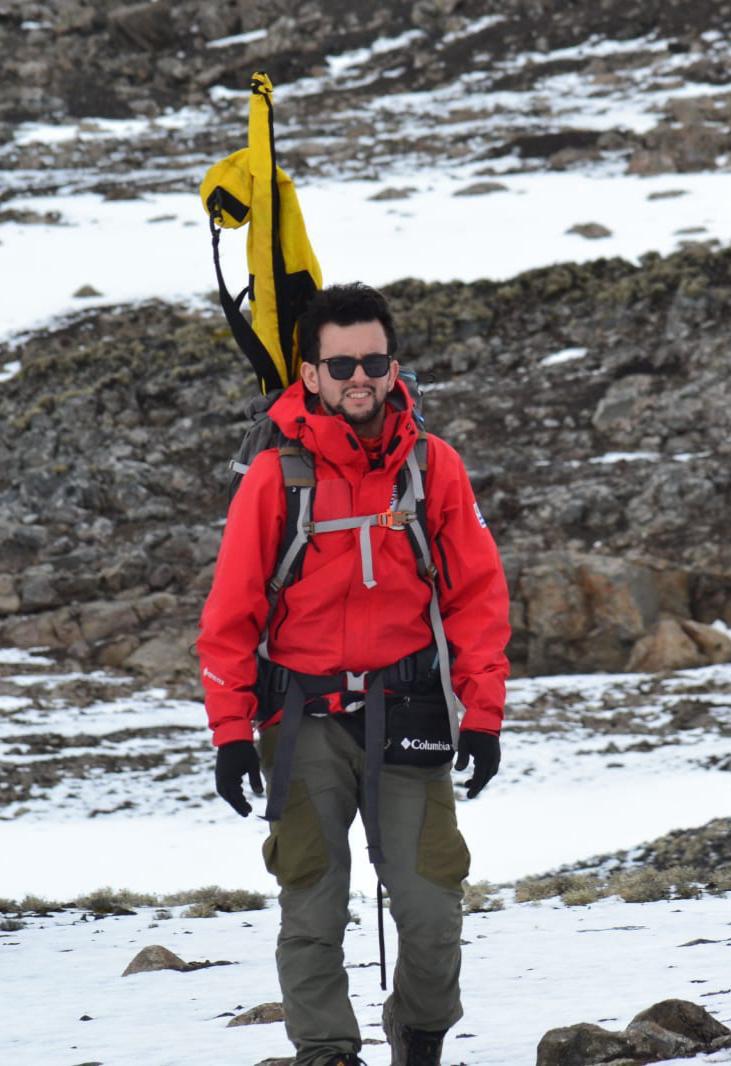
Bruno Ernesto Gentile
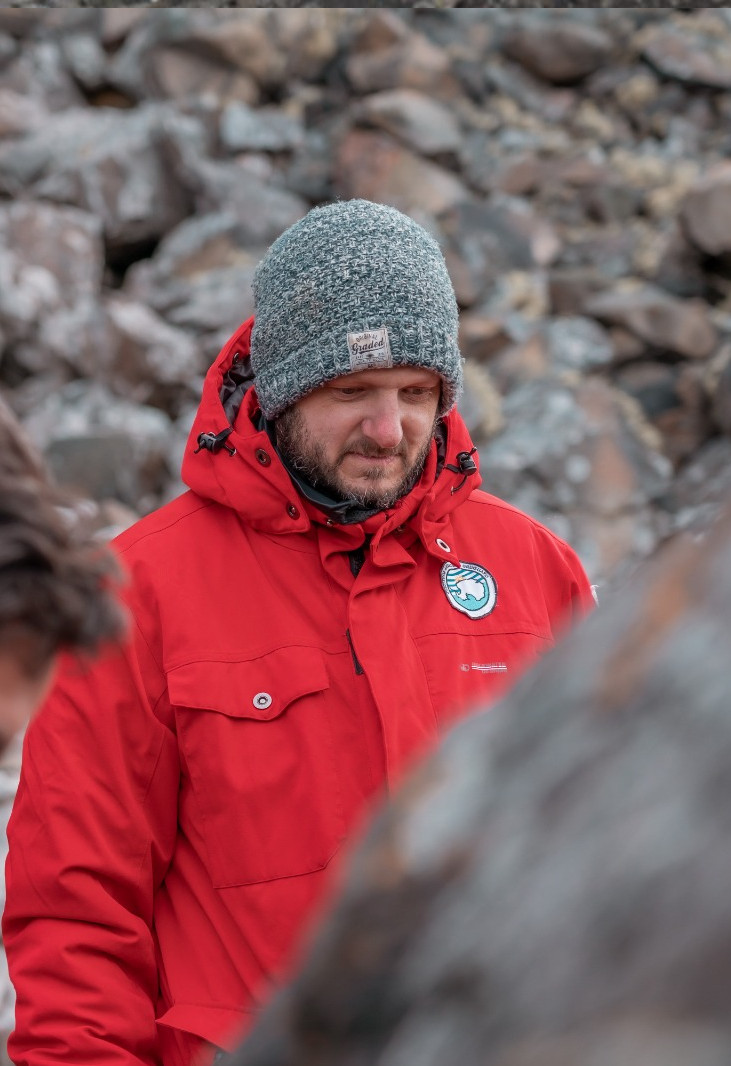
He is a researcher at the Landscape and Heritage Archaeology Laboratory of the Faculty of Humanities and Education Sciences, University of the Republic (Uruguay). He holds a degree in Anthropology with a focus on Research, specializes in Integrated Coastal Management, and is pursuing a master's degree in this area at the Eastern Regional University Center (CURE). His work addresses the intersection of cultural heritage and landscape, participating in research and outreach projects on landscape archaeology, multivocal heritage, and environmental awareness, in collaboration with public and academic institutions. He has experience coordinating and implementing educational activities, organizing conferences and scientific events, and publishing works on cultural heritage and environmental management. His interdisciplinary approach promotes the appreciation and comprehensive conservation of heritage. He is currently involved in a project on the earliest human occupations in Antarctica.
Diego Aguirrezábal
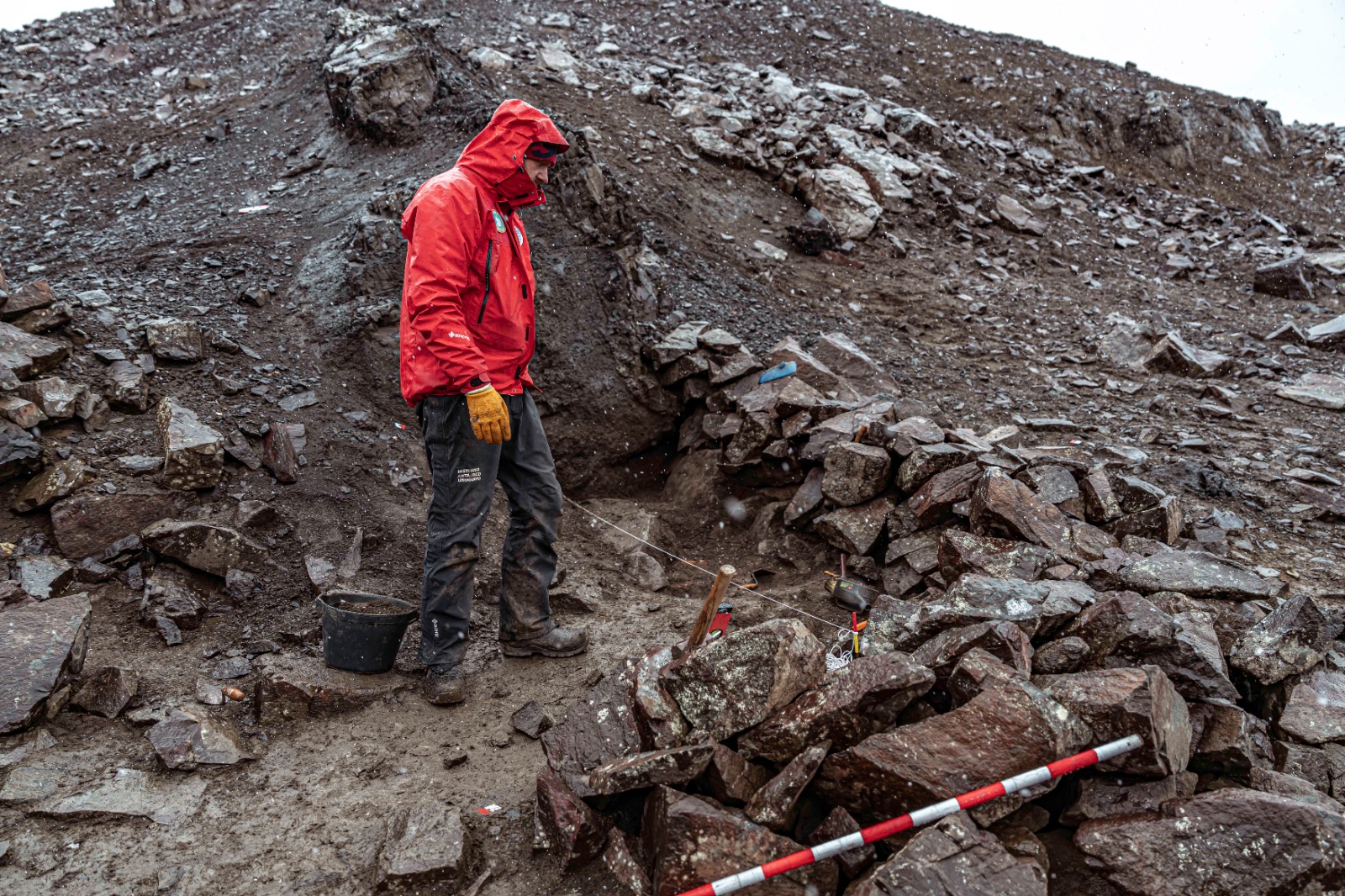
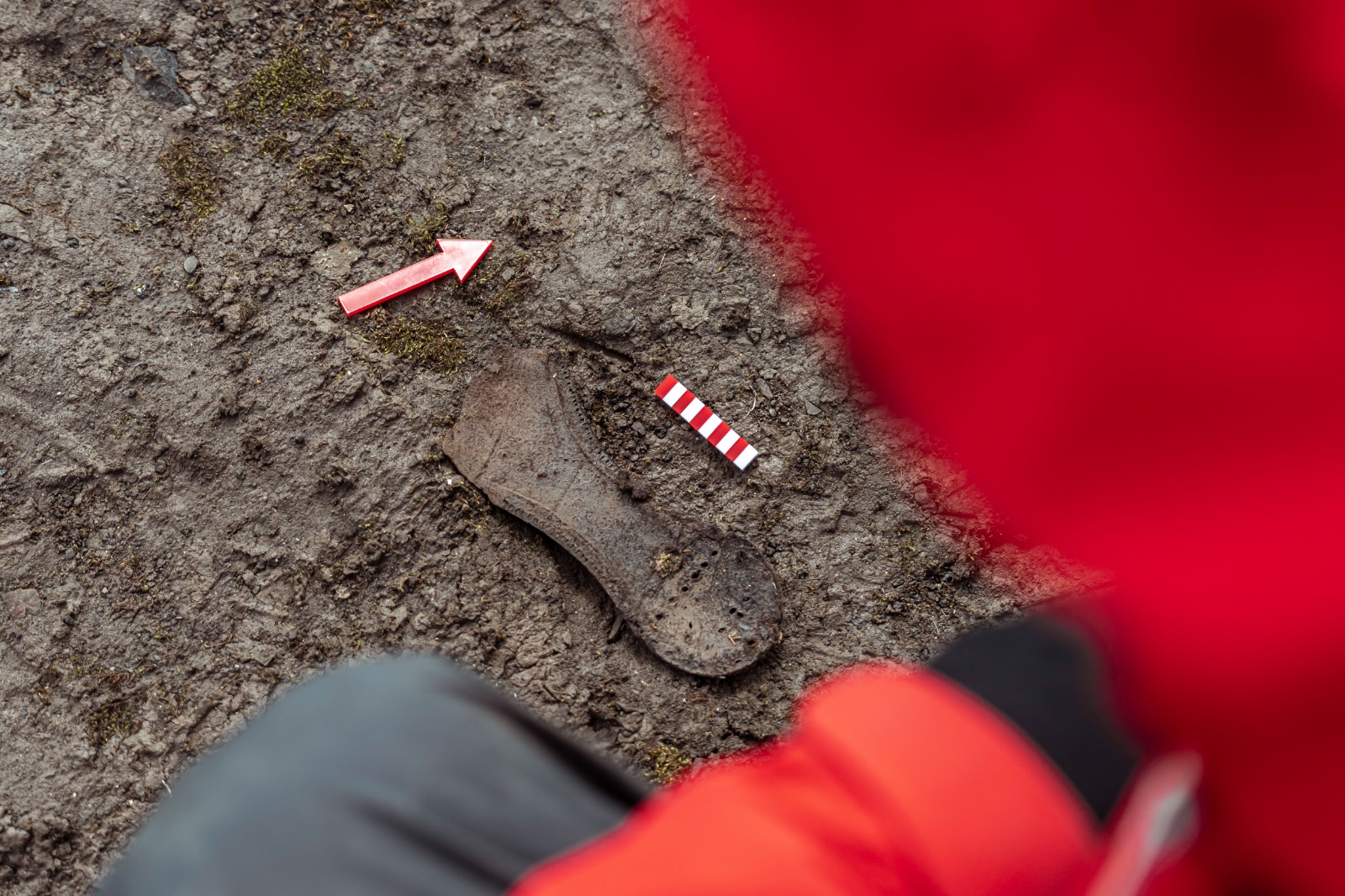
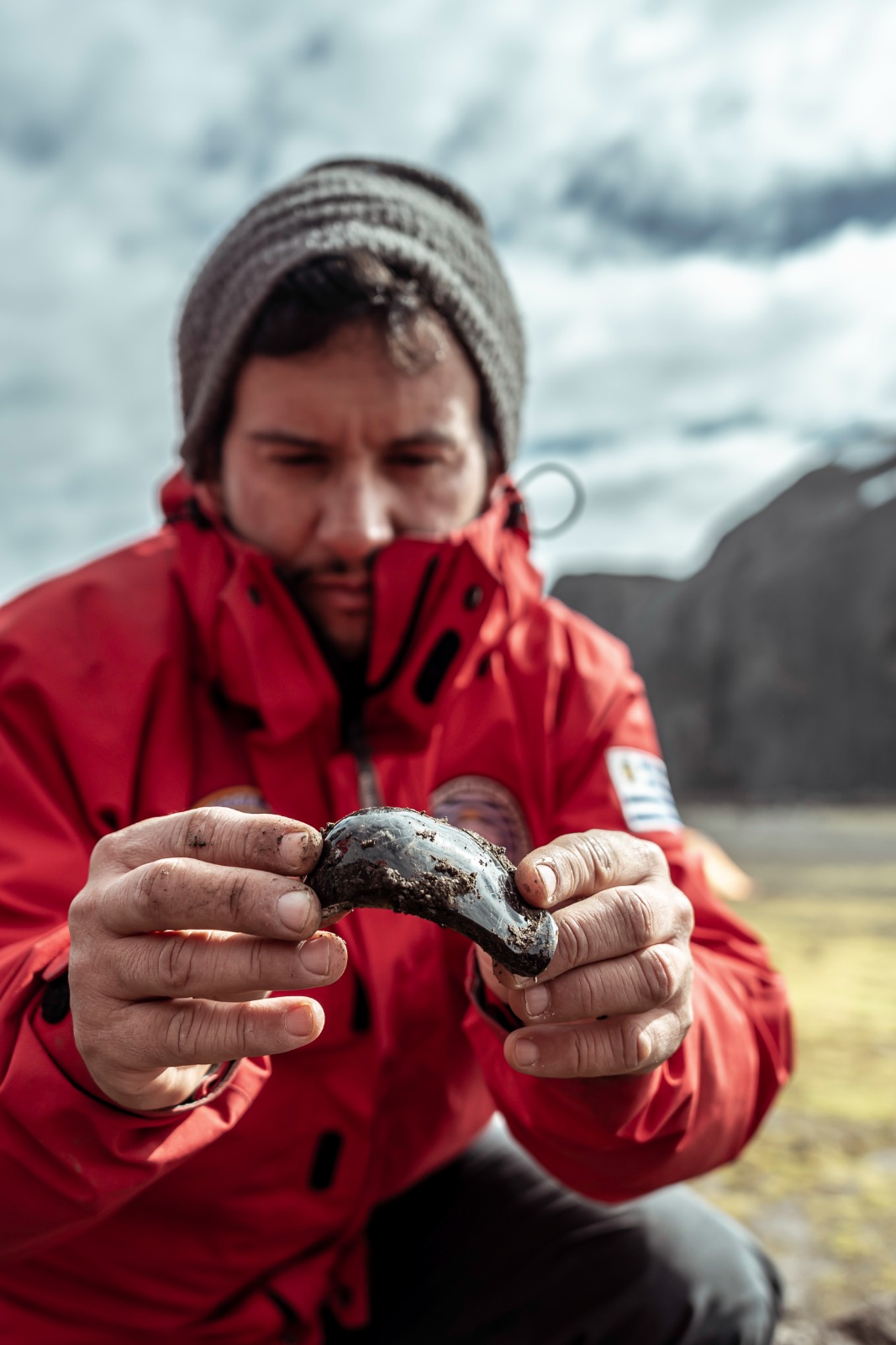
He is a professor and researcher at the Landscape and Heritage Archaeology Laboratory of the Faculty of Humanities and Education Sciences, University of the Republic (Uruguay). His interdisciplinary background combines archaeology, history, and anthropology to study the interaction between human societies and their environments over time. His research covers occupation processes from prehistory to recent history in the Americas and Europe, focusing on making historically invisible minorities visible. His work centers on the landscape as a dynamic cultural product, integrating multiple temporalities and forms of appropriation. This approach allows him to analyze environmental transformations linked to relations of power, adaptation, and resistance. He has published numerous articles, chapters, and technical reports. He currently directs a project on the earliest human occupations in Antarctica, which seeks to redefine the political and social processes involved in the historical construction of the southernmost continent.
Latin American Digital Anthropology Network
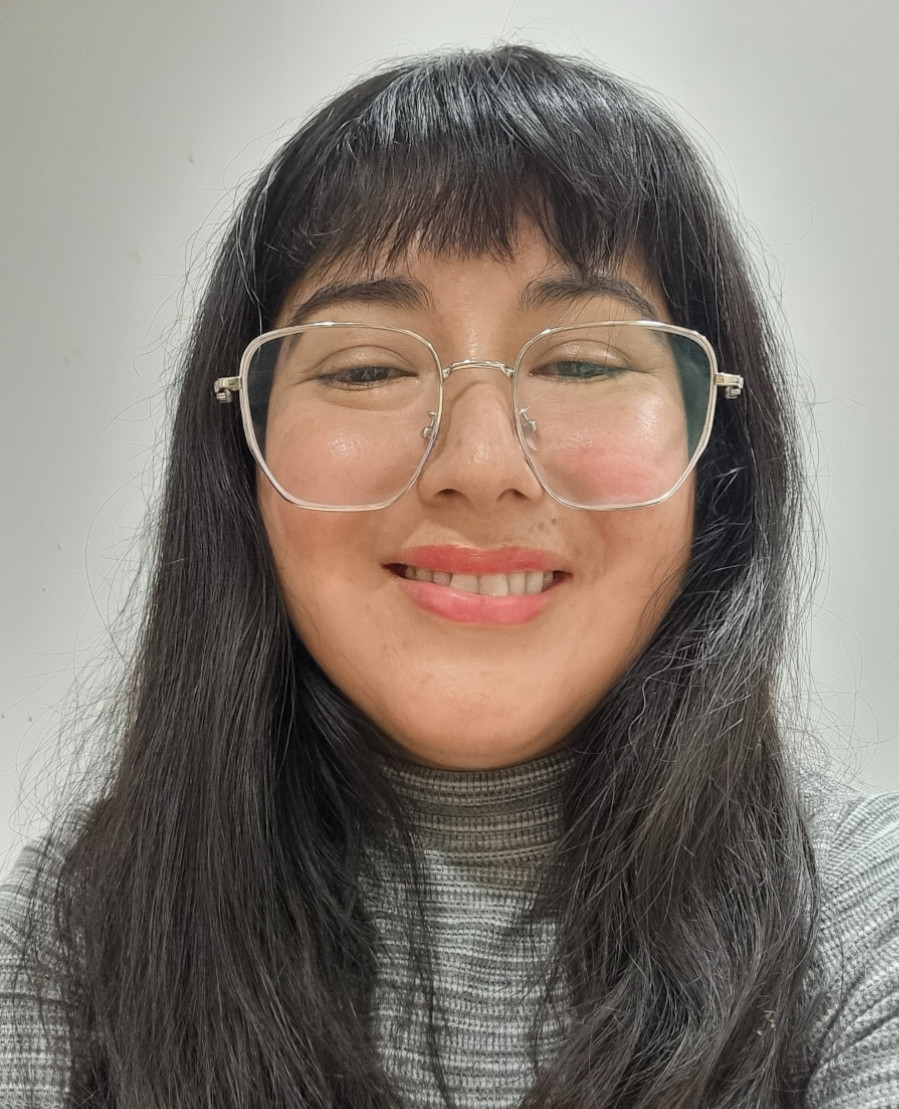
Natalia Orrego
PhD candidate in Anthropology at the Pontificia Universidad Católica de Chile (Santiago de Chile) and founding member of the Latin American Network of Digital Anthropology where she has participated in the organisation of its annual congress, its cycle of talks and other initiatives. Her PhD thesis deals with the 5G network implementation process in Chile from a socio-cultural and historical perspective that highlights the multiple meanings of the system, as well as the ways in which it is created, used and resisted in everyday life. Her main research topics are telecommunications infrastructure studies, the anthropology of mobile phones and the history of radio communications. She is currently an editorial assistant for the journal Big Data&Society, public relations officer for the Committee for the Anthropology of Science, Technology & Computing of the American Anthropological Association, and coordinator of the STS-Chile Network's Mentoring Programme.
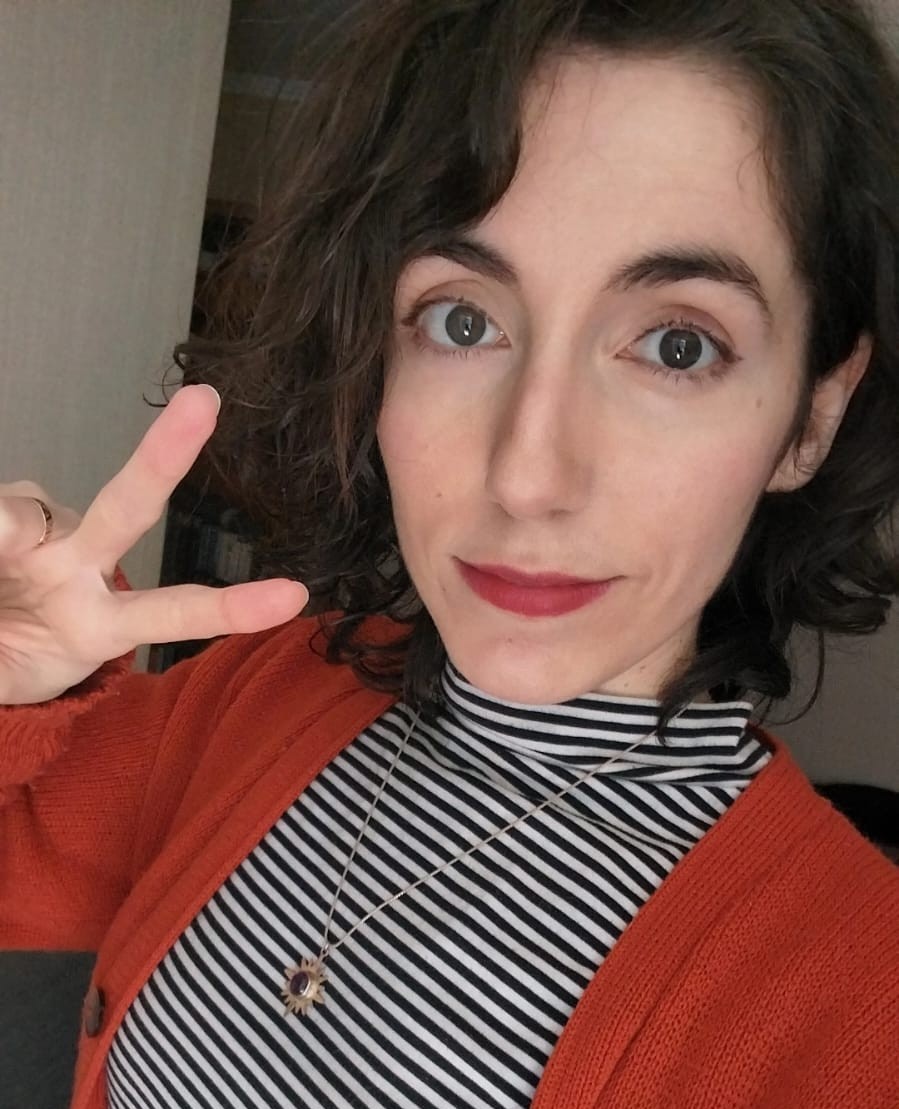
Mary Ann Argo Chávez
Sociocultural Anthropologist, PhD student in Media and Cultural Studies at Birmingham City University and member of the Latin American Network of Digital Anthropology since 2021. She participated as part of the Organizing Committee for the I and II Latin American Meeting of Digital Anthropology (2021 and 2022 respectively), as General Coordinator for the III Meeting (2023) and as part of the academic committee in its 2024 version. She has worked on research projects and for institutions in community outreach around issues of gender, sexual diversity, education and cultural heritage. Member of the Gamer Consedcity Association, she is currently developing research on Role Playing Games (TRPG) in Chile, on Game Studies in South America and on cybersecurity in gaming communities in Chile.
Arqueología pampeana del río Salado

The Pampean Archaeology Team of the Salado River is a research group dedicated to the archaeological study of the populations that inhabited the wetlands of the Salado River, in the Pampean region of Buenos Aires. Its lines of work include the analysis of archaeological materials, actualistic studies, the revision of documentary sources and public archaeology. They also develop strategies for public communication of science and use digital tools to strengthen the work with local actors.
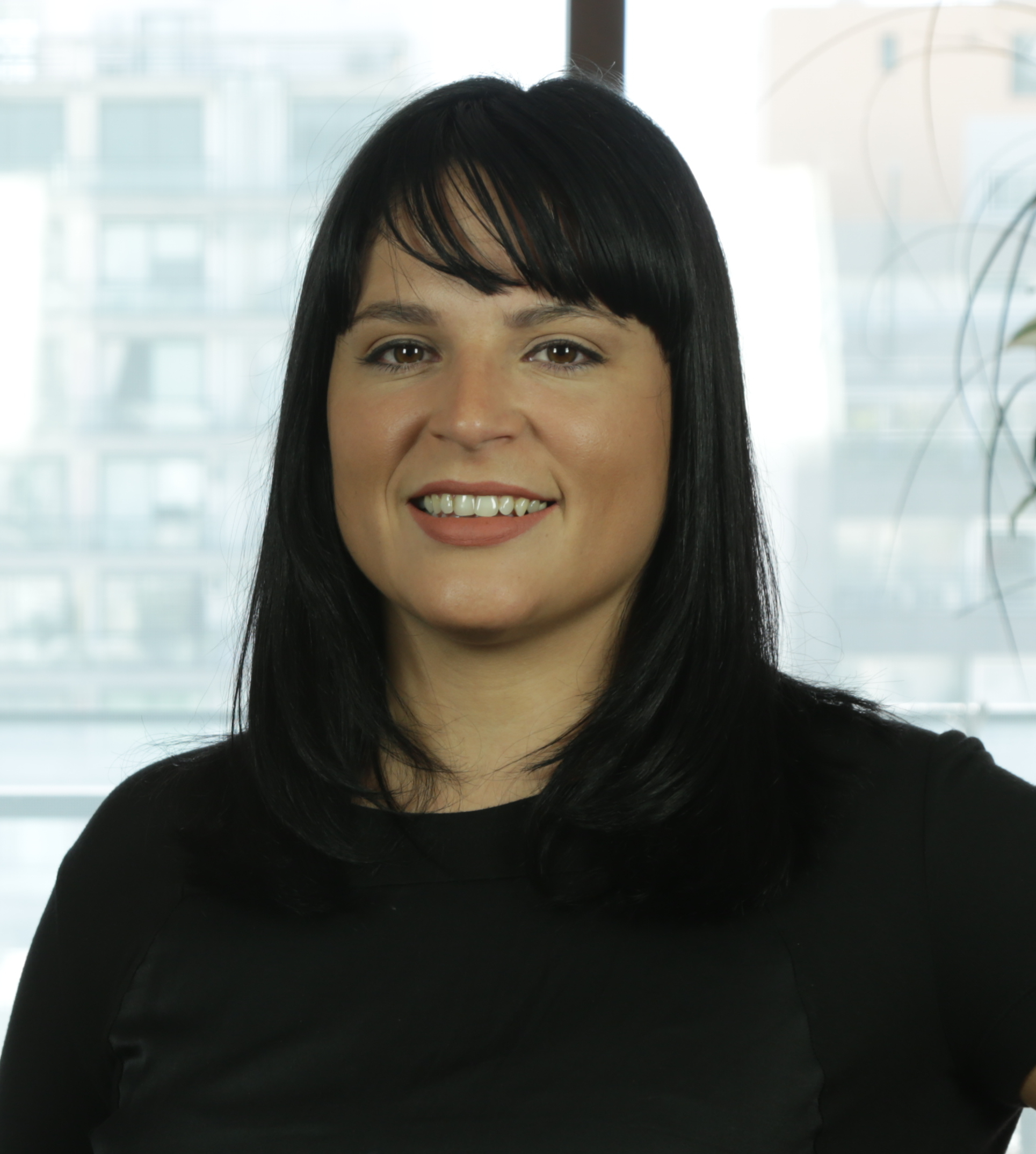
Olivia Sokol
Professor in Anthropological Sciences and Specialist in Evaluation and Study of Archaeological Impact by the UBA. PhD student at the Faculty of Philosophy and Letters (UBA) and CONICET fellow. She is a member of the Pampean Archaeology Team of the Río Salado at the Institute of Archaeology (FFyL, UBA). She teaches ‘Archaeological Materials and their Technologies’ (FFyL, UBA). Since 2023 he is part of the Digital Archaeology Network of Argentina. In 2024 she did a UBAINT exchange stay at the University of Barcelona (UB) participating in community archaeology and heritage digitization projects. She researches the impact of digital technologies applied to heritage in the processes of communication and appropriation of archaeological knowledge by local communities in the Salado River Depression.
Ondare Irekia Open Heritage

Ondare Irekia/Open Heritage is a project focused on research into the history, art, and culture of the Basque Country, although it also explores the heritage of other geographical latitudes. The team is made up of individuals with recognized experience in the fields of Art History, Image Theory, History, and Visual Anthropology, who are characterized by their methodological and technological innovation. Through the use of Digital Humanities, we seek to provide up-to-date and reliable information about our heritage accessible to all audiences.
Gorka López de Munain
He holds a PhD in Art History from the University of Barcelona. He currently teaches Art History at the University of the Basque Country / Euskal Herriko Unibertsitatea and at the UNED. Since 2013 he has been a researcher at the Visual Anthropology Area of the University of Buenos Aires. His two main lines of research are the visual culture of death and the study of medieval art in the Basque Country. Translated with DeepL.com (free version)

Marina Gutiérrez De Angelis
She holds a PhD in Anthropology (UBA), a Master's degree in Art History (UNSAM), and a Bachelor's degree in Anthropology and Communication Sciences (UBA). Since 1998, she has worked as a professor and researcher at the University of Buenos Aires. She coordinates the Visual Anthropology Department. Her research focuses on the study of images from an interdisciplinary perspective that articulates visual anthropology, cognitive neuroscience, and digital technologies. Sugerencias Traductor de Google

The Area of Visual Anthropology is an academic and research space of the Faculty of Philosophy and Letters of the University of Buenos Aires. Since its creation in the 1990s, the AAV has established itself as a reference in the interdisciplinary study of the image, integrating approaches from anthropology, art history, experimental aesthetics and digital humanities. Its lines of research cover topics such as immersive visual anthropology, prehistoric visual culture, political iconography and the relationship between image and science. The AAV offers undergraduate and postgraduate seminars that address the study of the image from an interdisciplinary approach. The AAV also organises academic events, such as the Jornadas de Antropología e Imagen, and publishes research that contributes to the development of new methodologies and theoretical frameworks in the study of the image. These initiatives reflect its commitment to innovation and interdisciplinarity in the humanities
Patrimonio científico educativo del Colegio Nacional Buenos Aires
Since late 2019, the Area of Visual Anthropology has been conducting a survey of the scientific and educational heritage of the Colegio Nacional de Buenos Aires. The research focused on collections used for science teaching since the late 19th century, with special attention to the pedagogical uses of images and their digitization to expand public access. Activities included presentations in school and academic settings, forging links with other secondary education institutions with similar heritage. These initiatives were developed within the framework of various projects promoted by universities and national organizations, aimed at the preservation, study, and dissemination of scientific heritage through visual technologies and digital strategies.
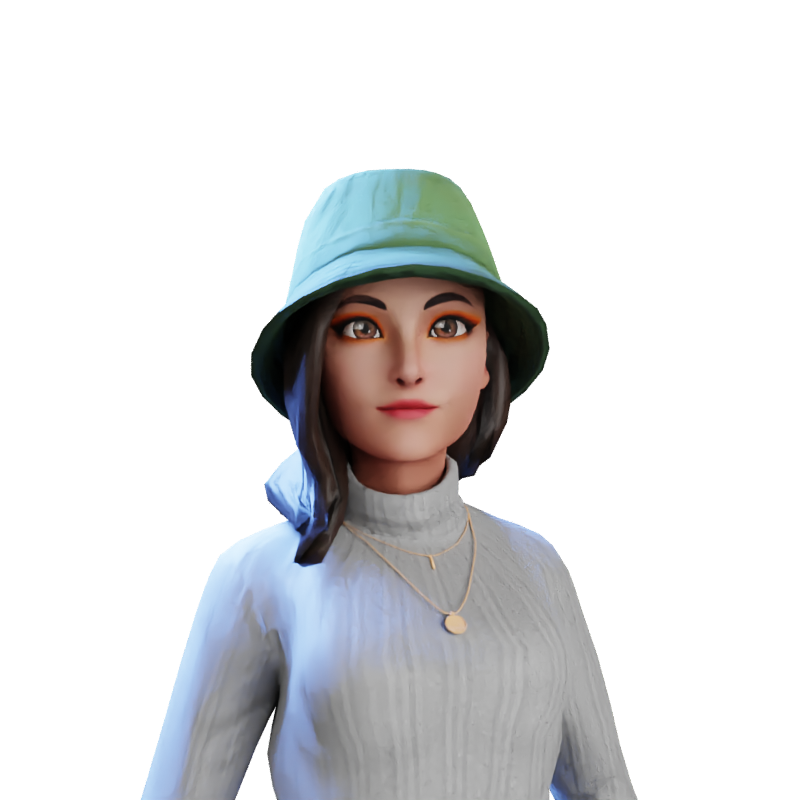
Paula Bruno Garcén
Licenciada y Profesora en Artes (Universidad de Buenos Aires), Magister en Curaduría en Artes Visuales (Universidad Nacional de Tres de Febrero). Cursa el Doctorado en Teoría e Historia de las Artes (UBA) con beca CONICET. En la Facultad de Filosofía y Letras (UBA) integra el Grupo de Historia y Epistemología de las Cartografías e Imágenes Técnicas y el Área de Antropología Visual.
Ha dictado cursos y seminarios de formación asociados a los estudios de cultura visual y el arte contemporáneo. Su trabajo se centra en el uso de las tecnologías y prácticas científicas en las diversiones del siglo XIX y las prácticas artísticas contemporáneas.
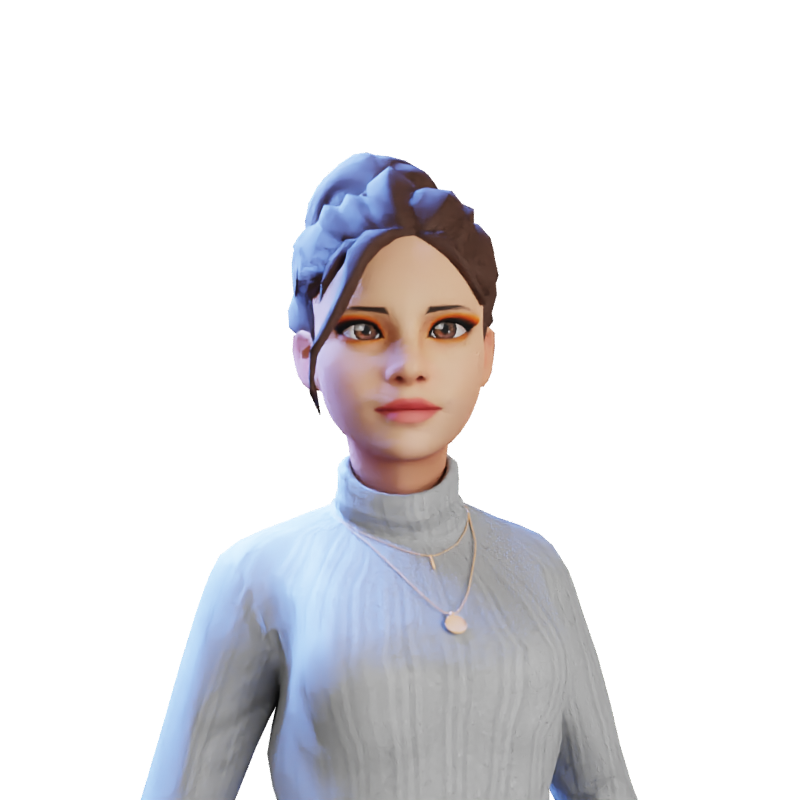
Greta Winckler
She has a degree in Anthropological Sciences, a PhD in Anthropology from the University of Buenos Aires and is currently a postdoctoral fellow with a CONICET grant. Since 2014 she has been a member of the Visual Anthropology Area, as a researcher and teacher. In 2021 she joined the Latin American Network of Digital Anthropology. Her work projects address the relationship between political praxis and its visual manifestations, especially those linked to child participation and mobilization in social organizations, so since 2021 she is part of the research team Niñez Plural (UBA). She also addresses issues related to regional political iconography and the visual strategies of politics in the digital diaspora.
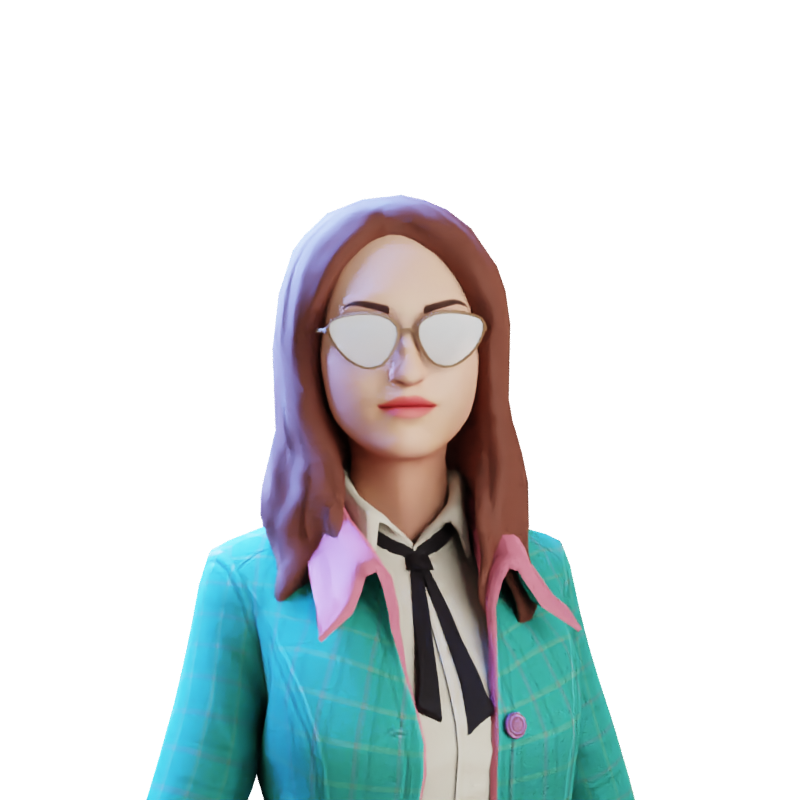
Carolina Griffero
Es Diseñadora de Imagen y Sonido (FADU, UBA), Profesora en Docencia Superior (INSPT, UTN), Diplomada en Gestión y Preservación del Patrimonio Audiovisual (UNA), y Especialista en Diseño de Enseñanza con Tecnologías para el Nivel Superior (CITEP, UBA) y en Educación con Imágenes (ISFDyT N.º 46). Su trabajo se centra en los cruces entre educación, imagen y memoria. Como maestranda en Historia Pública (UNQ), participa en proyectos vinculados al paisaje barrial de Mataderos. Es también becaria doctoral UBA en Historia y Teoría de las Artes, donde investiga la preservación y divulgación del patrimonio visual escolar desde una perspectiva de humanidades digitales. Desde 2022 integra el Área de Antropología Visual.
Aldana Jimenez
She is a student of anthropology at the University of Buenos Aires. She is a member of the Visual Anthropology Department at the University of Buenos Aires (UBA). She participates in the CNBA project.
Esther Barreiro
Architect. She has been in charge of the Historical-Administrative Archives of the National College of Buenos Aires since 2006.
Marina Gutiérrez De Angelis
She holds a PhD in Anthropology (UBA), a Master's degree in Art History (UNSAM), and a BA in Anthropology and Communication Sciences (UBA). She coordinates the Area of Visual Anthropology.
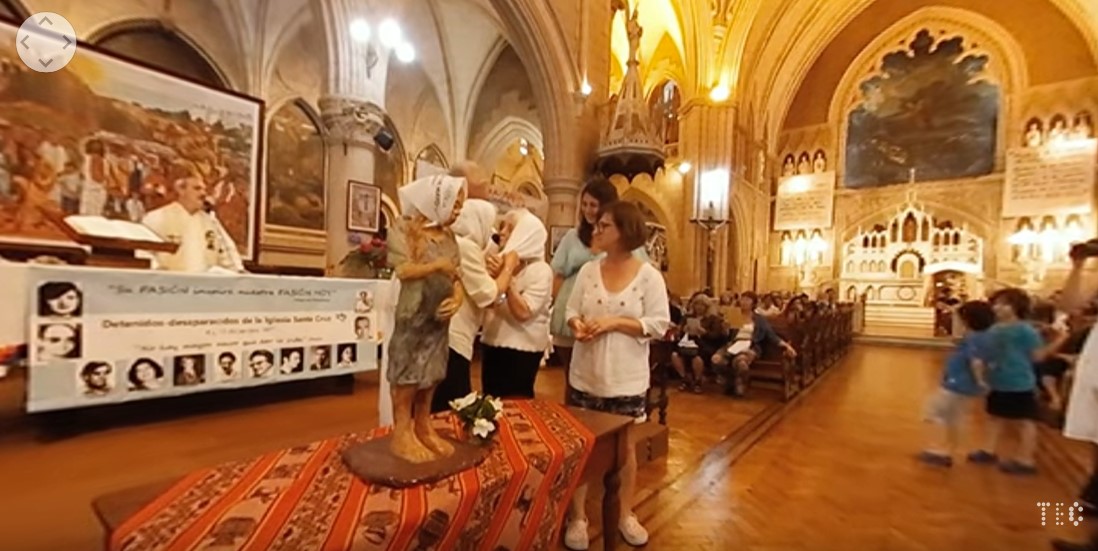
Mary and the Twelve of the Holy Cross 360º Video
Every December 8th since 2007, at the Church of the Holy Cross in the San Cristóbal neighborhood, a small statue of a young pregnant peasant woman representing the Virgin Mary presides over a ceremony that is part of the Memory, Truth and Justice processes. In addition to celebrating the day of the Virgin Mary, the ceremony also commemorates the kidnapping and disappearance in 1977 in that same church of members of a group who were demanding the return of their relatives and friends kidnapped by the military dictatorship.
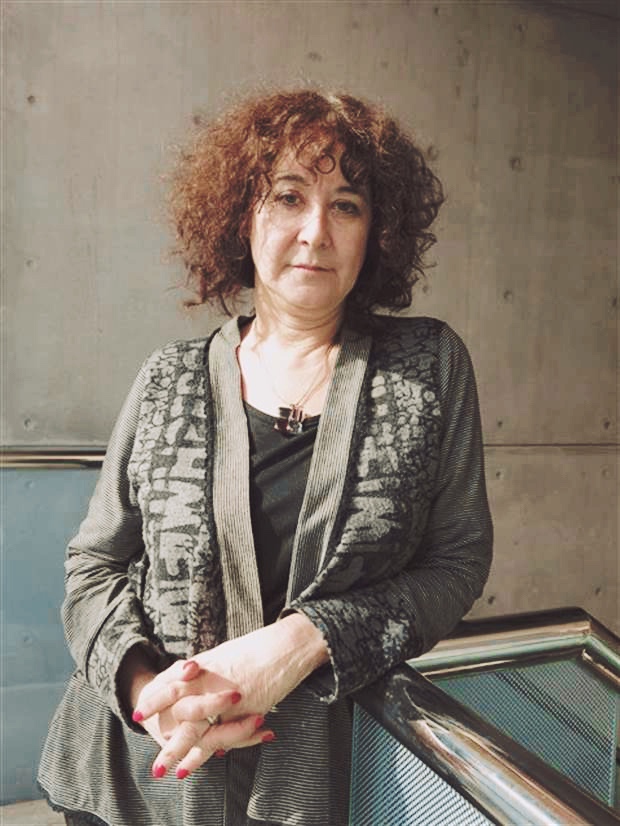
Carmen Guarini
Graduated in Anthropological Sciences from the University of Buenos Aires in 1980, she obtained in 1988 a Doctorate in Etudes Theatrales et Cinématographiques .Option: Cinéma Anthropologique from the University of Paris I- Sorbonne and Paris X-Nanterre (France) with a Thesis under the direction of Jean Rouch. He also obtained the Diploma d'Etudes Approfondies en Anthropologie Sociale et Culturelle from the University of Paris V, Sorbonne in 1981 and in 1982 the Diploma d'Etudes Theatrales et Cinématographiques (Option: Cinéma Anthropologique) from Paris I, Sorbonne and Paris X, Nanterre. He attended specialisation seminars with Fernando Birri, Jean Louis Comolli and Jorge Prelorá
Since 1992 she has been a researcher at the National Council for Scientific and Technical Research of Argentina. She teaches at the Master in Documentary Film at the Universidad del Cine, at the UNDAV (Universidad de Avellaneda), at the Escuela Internacional de Cine y Televisión de San Antonio de Los Baños, Cuba and at the Master in Latin American and Caribbean Film FNCL/UA ISA - Universidad de Las Artes, Havana, Cuba. Visiting Professor in France, Ecuador, Spain. She currently directs the DocBuenosAires Festival. Since 2021 she is Vice-President of DAC (Argentinean Film Directors).
Applications of Artificial Intelligence and Virtual Reality in the study of prehistoric visual culture
From an interdisciplinary perspective, this project integrates artificial intelligence, virtual reality, and photogrammetry for the study, conservation, and dissemination of rock art in its archaeological context. Deep learning models are used to improve the identification of visual motifs, facilitating the automated detection of patterns and spatial correlations between figures, both anthropogenic and natural. VR and eye tracking are used to analyze visual and sensorimotor perception of the images to determine whether natural rock formations were intentionally used and to predict areas most likely to contain figures, thus optimizing detection and documentation strategies.
Marina Gutiérrez De Angelis
She holds a PhD in Anthropology (UBA), a Master's degree in Argentine and Latin American Art History (UNSAM), a Bachelor's degree in Anthropological Sciences, and a Bachelor's degree in Communication Sciences (UBA). Since 1998, she has worked as a professor and researcher at the University of Buenos Aires, where she has taught, among other subjects, Immersive Visual Anthropology and Anthropology of the Image. She coordinates the Visual Anthropology Department and is a member of the Ondare Irekia – Open Heritage Association (Spain). Her research focuses on the study of images from an interdisciplinary perspective that articulates visual anthropology, cognitive neuroscience, and digital technologies. She has investigated various aspects of visual culture, including the relationship between image and death, religious representations and devotional practices, colonial cartography, as well as contemporary manifestations of visuality in digital environments, with special attention to the intersections between technology, perception, and the body. She is currently exploring the use of virtual reality, eye tracking, and AI to study prehistoric visual manifestations and understand the processes of visual perception and attention. Her areas of interest include imaging and cognitive neuroscience, image anthropology, immersive visual anthropology, virtual reality, virtual reconstructions, and photogrammetry.

