Programme
VII Seminar Anthropology and Image
Image and Knowledge: The Humanities in the Contemporary Digital Scene
Programme
Opening
10:30 hs.
Virginia Manzano Director of the Institute of Anthropological Sciences at the University of Buenos Aires
Jerónimo Ledesma
Research Secretary - Faculty of Philosophy and Arts UBA
Axel Emil Nielsen
Director of the Institute of Archaeology of the University of Buenos Aires.
Aula: 904 - Edificio Anexo Bonifacio
On-site and hybrid
Roundtable 1
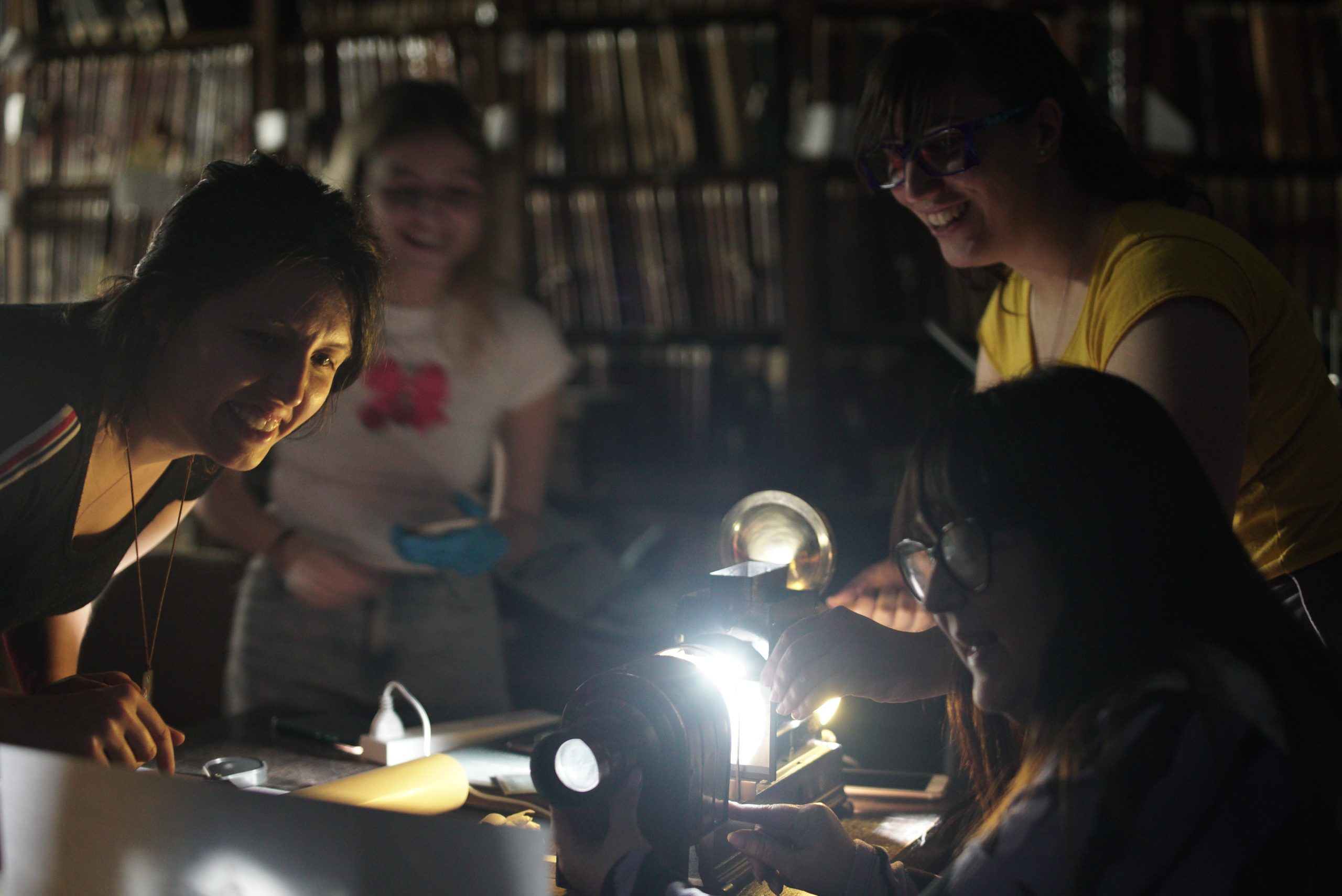
Scientific and educational heritage: the project of the Area of Visual Anthropology
Area of VIsual Anthropology UBA
Greta Winckler - Paula Bruno Garcén - Carolina Griffero - Aldana Jimenez - Marina Gutiérrez De Angelis
Guest: Esther Barreiro
Room 904 - Edificio Anexo Bonifacio.
Schedule 11:00 a 12:30 hs
Modality: on site and hybrid
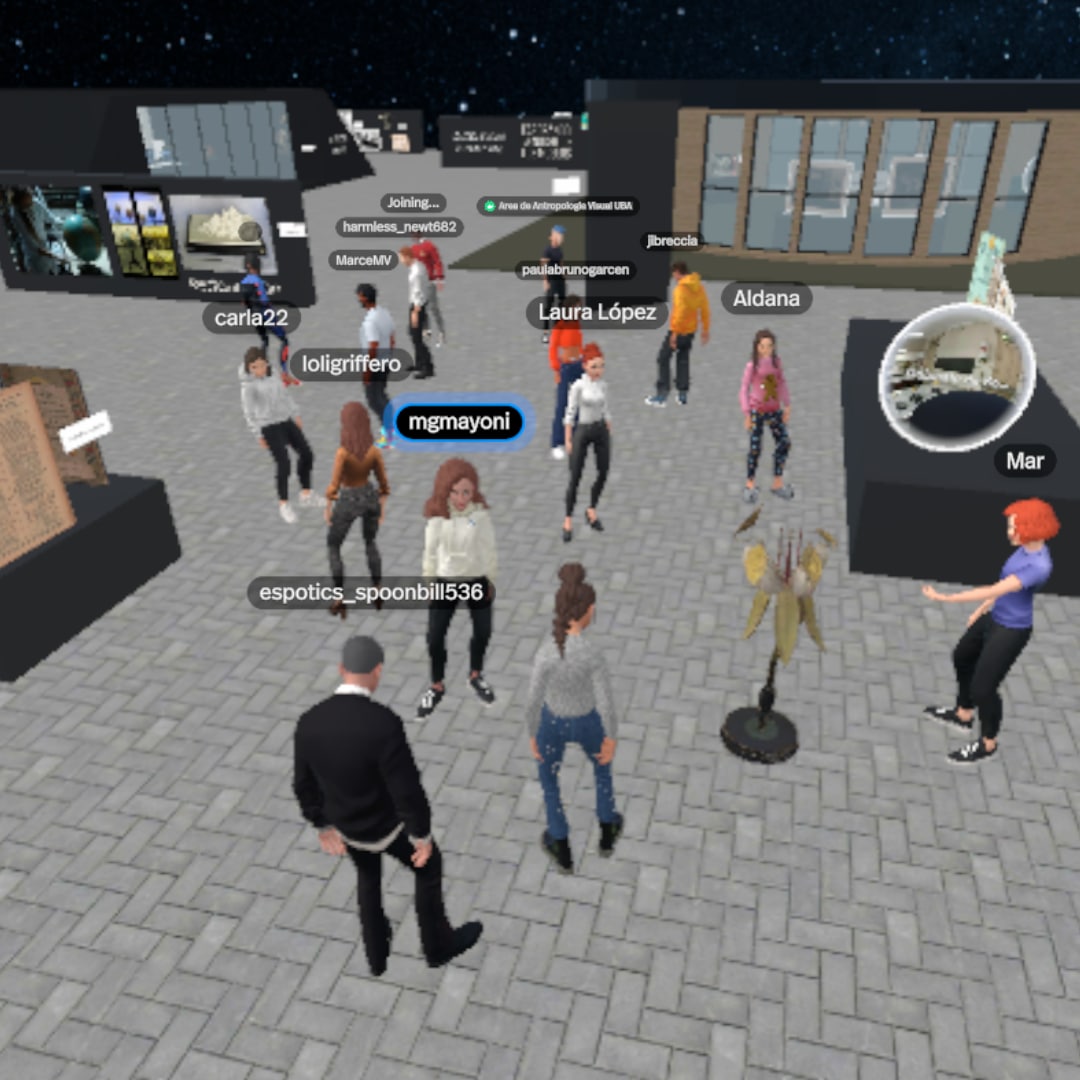
Hybrid: AAV Metaverse Metaverso del AAV
Lunch
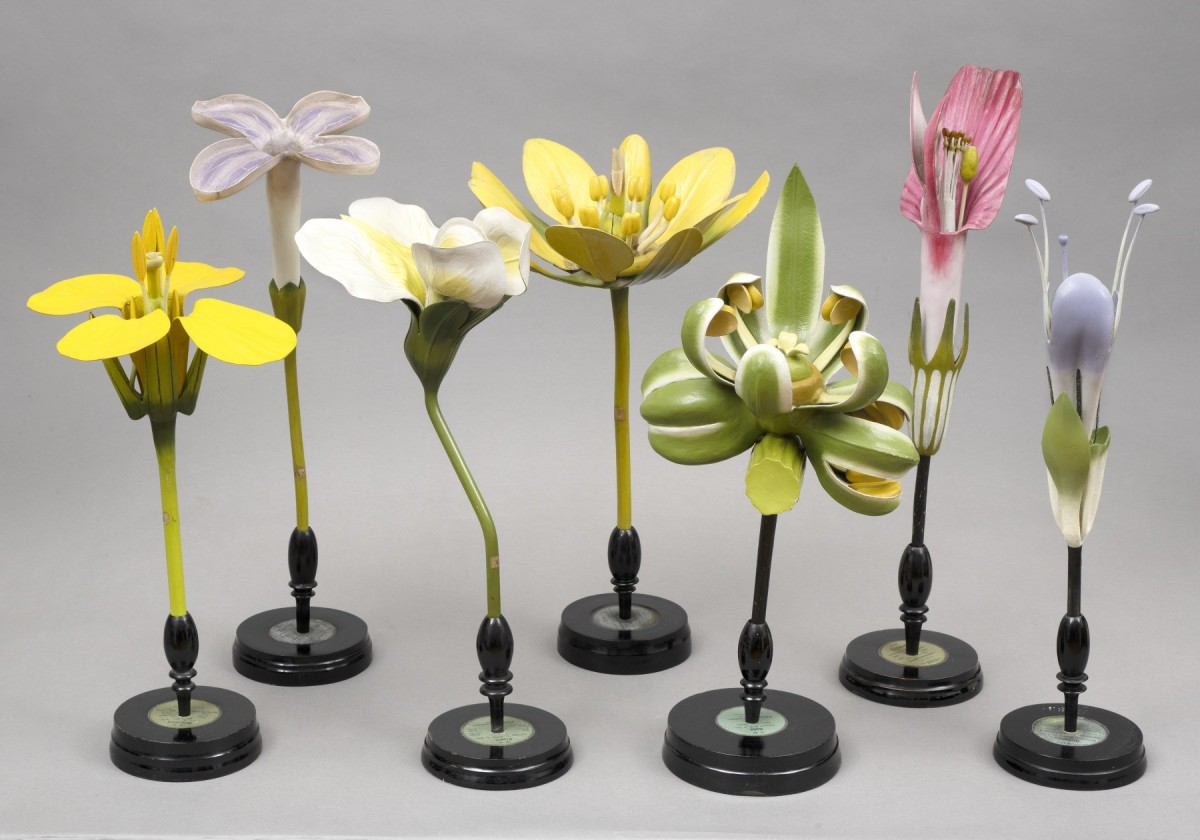
Workshop Photography and heritage - Gabriela Mayoni
Photography and heritage
Gabriela Mayoni (Museo de Farmacobotánica "Juan A. Dominguez", Facultad de Farmacia y Bioquímica - UBA)
Coordinates
Schedule 14:30 a 16.00
Modality: on site
Room 904 Campus Bonifacio
Roundtable 2
The humanities and the global digital scenario. Dialogue between the Area of Visual Anthropology and the Latin American Network of Digital Anthropology.
Natalia Orrego y Mary Anne Argo Chávez (Red Latinoamericana de Antropología Digital)
Coordinates: Greta Winckler (AAV-UBA)
Room 904 Campus Bonifacio
Schedule 16.15 - 17.15
Modality: on site and Hybrid
Coffee
Conference
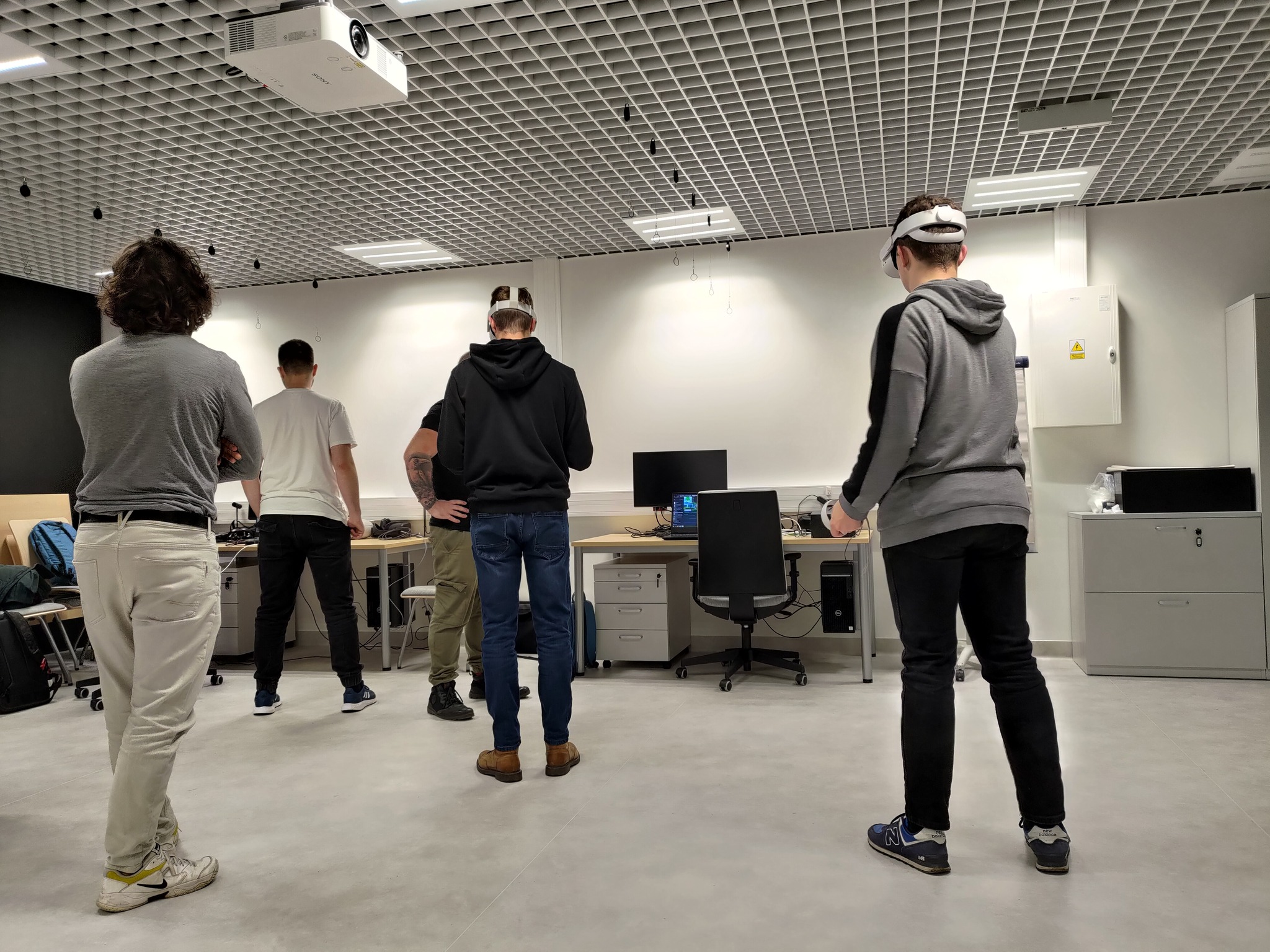
VR as a Tool for Interdisciplinary Learning: Experiences from EduVRLab at AGH University in Krakow
Jowita Guja y Jan Waligorski - Faculty of Humanities at AGH University of Krakow
This presentation introduces the activities of EduVRLab, an interdisciplinary research unit operating at the Faculty of Humanities at AGH University of Krakow since 2018. As a pioneering initiative in the Polish academic context, EduVRLab bridges the fields of science, education, art, and emerging technologies, with a particular focus on the educational and philosophical potential of virtual reality (VR). We carry out interdisciplinary research projects, conduct workshops and lectures, popularize knowledge, and run didactic courses about VR and through VR. Our main research areas include: the cultural aspects of virtual worlds, the exploration of narratives and symbolism in VR and games, the anthropology of VR, computer-mediated communication in VR, VR in education, immersive storytelling, and the ethics of VR. In this presentation, we will focus on the idea of VRsophy, using
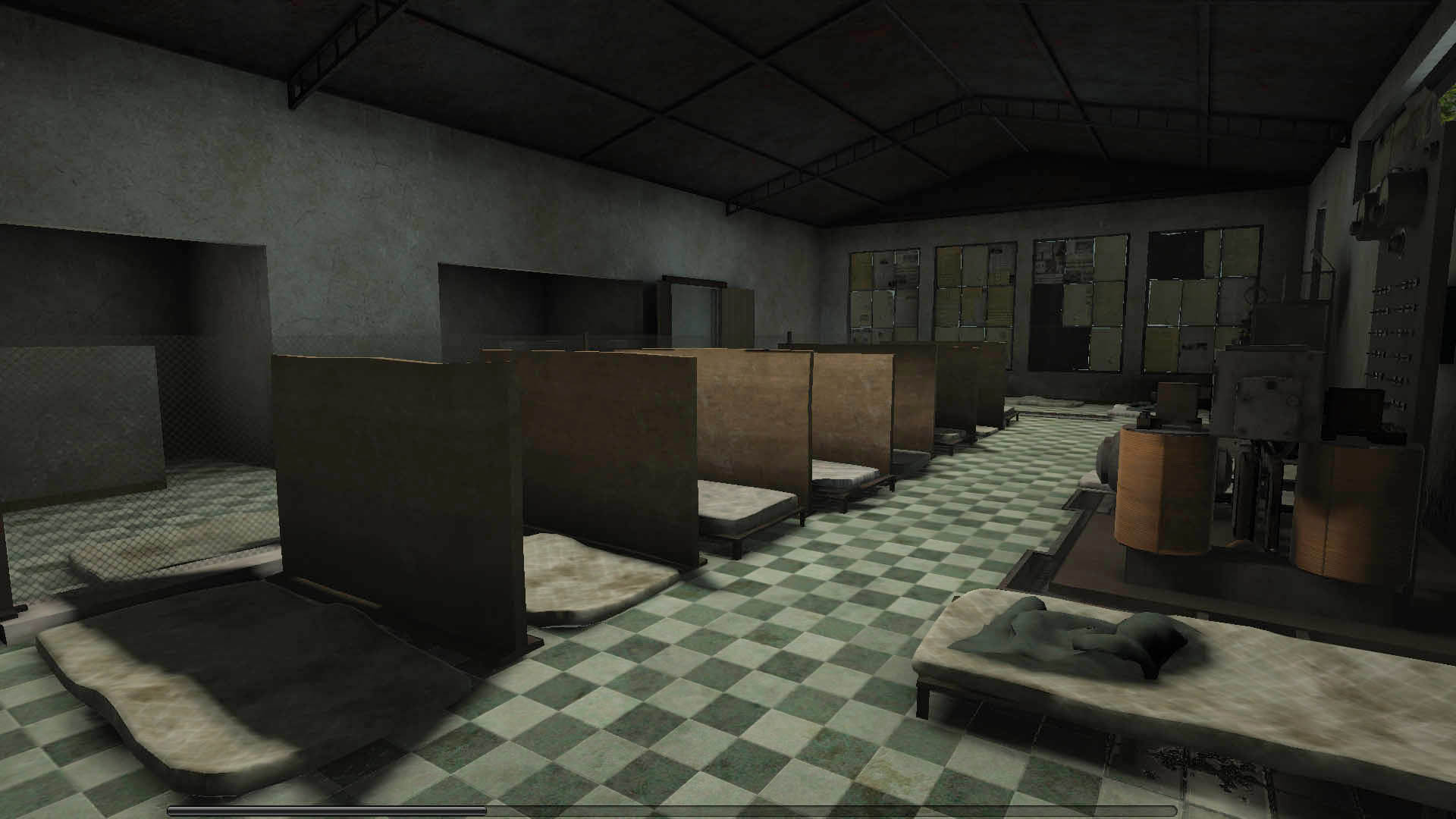
our original application The Cave as a case study. This VR experience reinterprets Plato’s allegory of the cave to explore embodiment and sensory engagement in virtual environments. As both an artistic-philosophical experiment and a flexible research tool, The Cave allows us to investigate how VR influences the understanding and experience of philosophical content. We emphasize the importance of studying embodied experiences — both psychological and physiological – as central to understanding human experience in immersive environments and to shaping the future of VR in
education.
la educación.
Modality: on site
Schedule 17.30-18.30 hs
Aula 904 Edificio Anexo Bonifacio
Translation by the Residents' Team at the Juan Ramón Fernández Institute for Modern Language Teaching. Iñaki Arrese, Carolina Pochelú, Paula Steimbach, Lucía Álvarez Eguren, and Victoria Lorenzo. Tutor: Prof. Marita Propato.
Roundtable 3
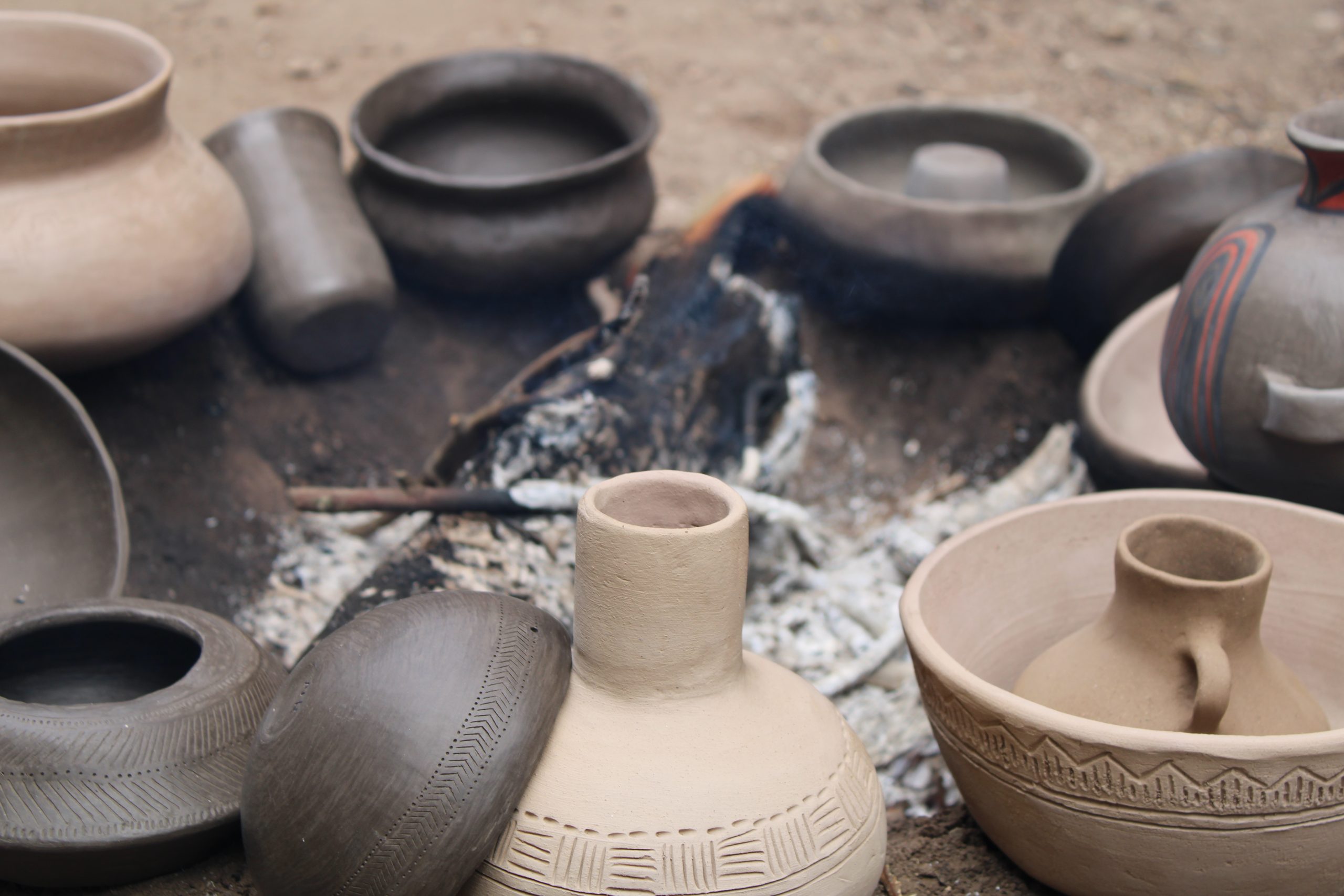
Archaeology and digital tools
Coordinates
Olivia Sokol (Equipo Arqueología Pampeana del río Salado, Instituto de Arqueología, FFyL, UBA )
Participants
Victor Méndez (LAAV, Pontificia Universidad Católica de Chile)
María Soledad García Lerena y Naiquen Ghiani Echenique (Equipo Arqueología Rioplatense, LAC, FCNyM, UNLP)
Candela Roteta Lannes, (Arqueología en Cruce, Bahía Blanca, Dpto. Humanidades, UNS)
Roxana Cattaneo (Universidad Nacional de Córdoba-CONICET) y Andrés Darío Izeta (Programa de Arqueología DIgital. Universidad Nacional de Córdoba)
Bruno Ernesto Gentile Durán y Diego Aguirrezábal (Laboratorio de Arqueología del Paisaje y Patrimonio del Uruguay Facultad de Humanidades y Ciencias de la Educación Centro Regional del Este, Universidad de la República, Uruguay)
Aniela Traba y Jorge Cabral Ortíz (Museo de los Caudillos, Arqueología Histórica de los Llanos Sur)
Room 902 Campus Bonifacio
Modality: On site and hybrid
Schedule Schedule
Coffee
Workshop Virtual Reality: Japeusa - Stefano Storchi
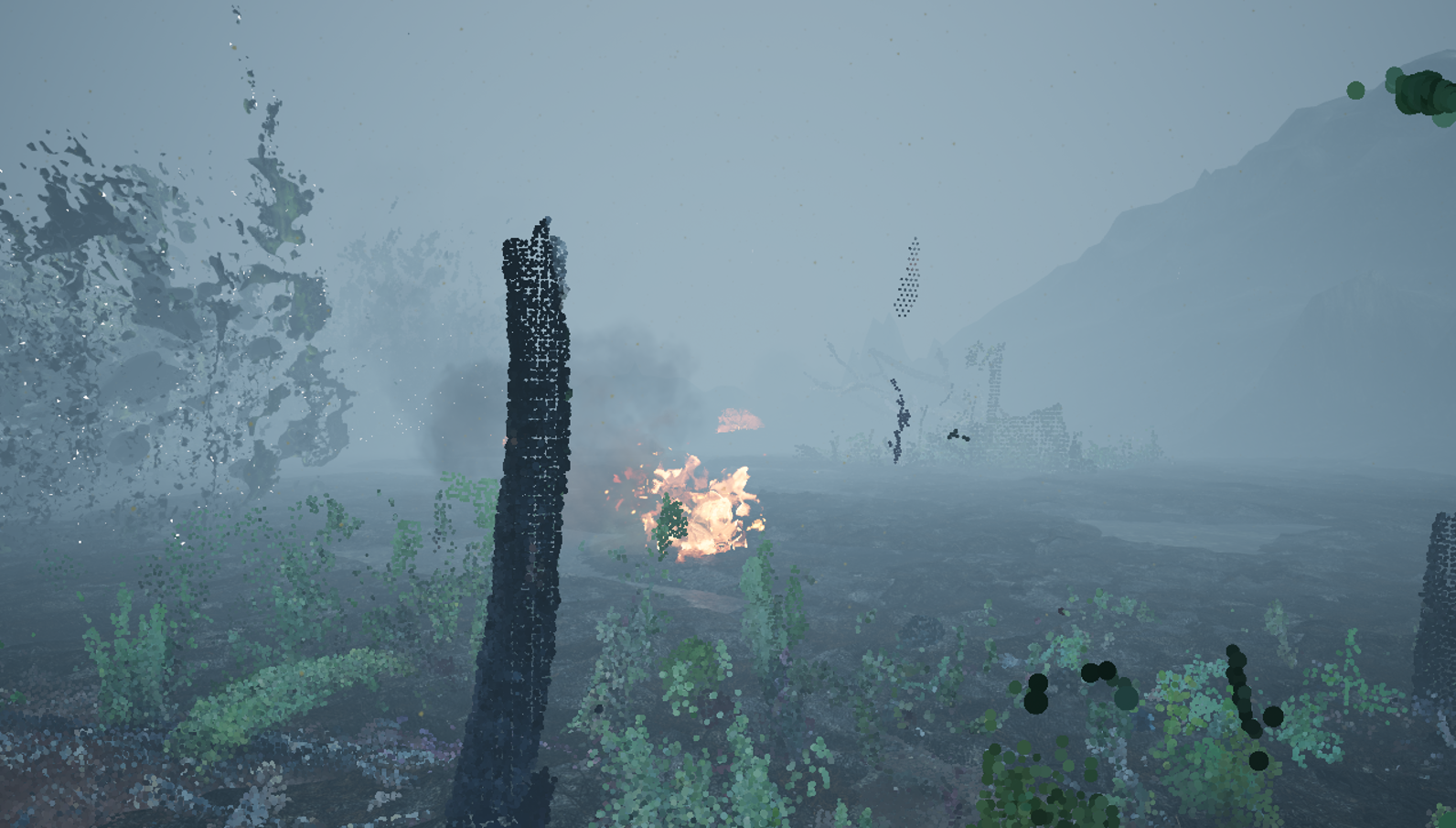
Japeusa - Stefano Storchi
Sinopsis:
Japeusa is a virtual reality experience that explores cyclical time and bodily disconnection from the Mbya-Guaraní worldview. It combines sound recordings with 3D scans of the native flora of the Salto Encantado Provincial Park of the Cuña Pirú Valley, Misiones, Argentina. The project integrates the legend of Japeusa, from Guaraní cosmology, exploring how the original language resists the disappearance of native flora during the fires of 2022.
Schedule 12.00 a 13.30
Max. 12 participants
Modality: on site
Room 902 Campus Bonifacio
Lunch
Roundtable 4
Uso y posibilidades de la IA desde las humanidades
Eduardo Barrio - Universidad de Buenos Aires - CONICET
Joaquín Toranzo Calderón - IIF-SADAF-CONICET
BA-Logic | Ba-IA Lab
Lucas Turturro -Director de cine y artista visual
IA y creación audiovisual: ArtLab
Marina Gutiérrez De Angelis - Universidad de Buenos Aires - Ondare Irekia Patrimonio Abierto
Aplicaciones de la Inteligencia Artificial y la Realidad Virtual en el
estudio de la cultura visual prehistórica.
Aula: 905 - Edificio Anexo Bonifacio
Modality: On Site and Hybrid
Coffee
Workshop
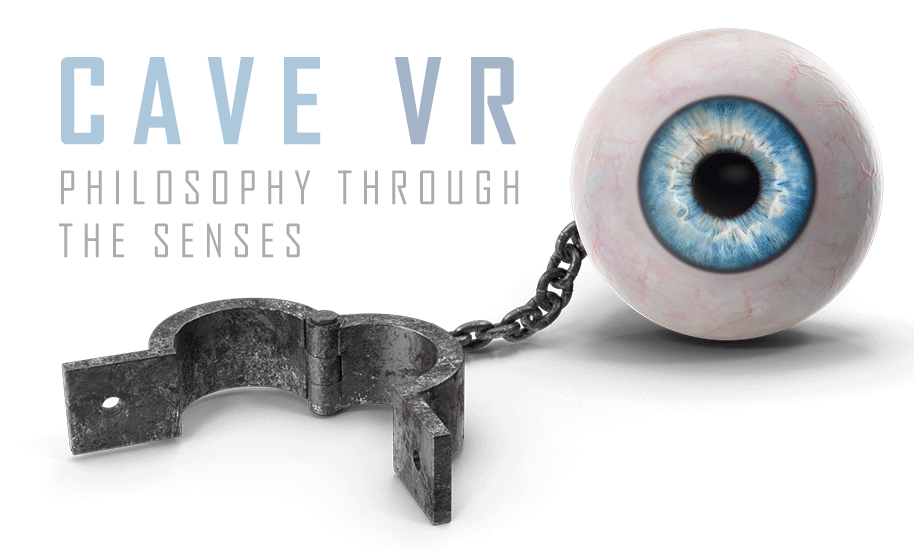
CaveVR - EduVrGameLab
Jowita Guja y Jan Waligorski
Faculty of Humanities at AGH University of Krakow
Modality: on site
Room 905 Campus Bonifacio
Coordinates: Stefano Storchi
Roundtable 5
Digital experiences from Argentina
Proyecto Centros clandestinos - Huella Digital
Diego Cagide (FADU-UBA) y Martín Malamud (FADU-UBA)
Archivo CeDinCi - UNSAM
Jael Caiero (Archivo IIAC - UNTREF / CeDInCi - UNSAM) y Eugenia Sik (CeDInCI-UNSAM)
Coordinan: Carolina Griffero (AAV-UBA) y Greta Winckler (AAV-UBA).
Modality: on site
Room 904 Campus Bonifacio
Schedule 10.00 a 11.30
Coffee
Workshop 3
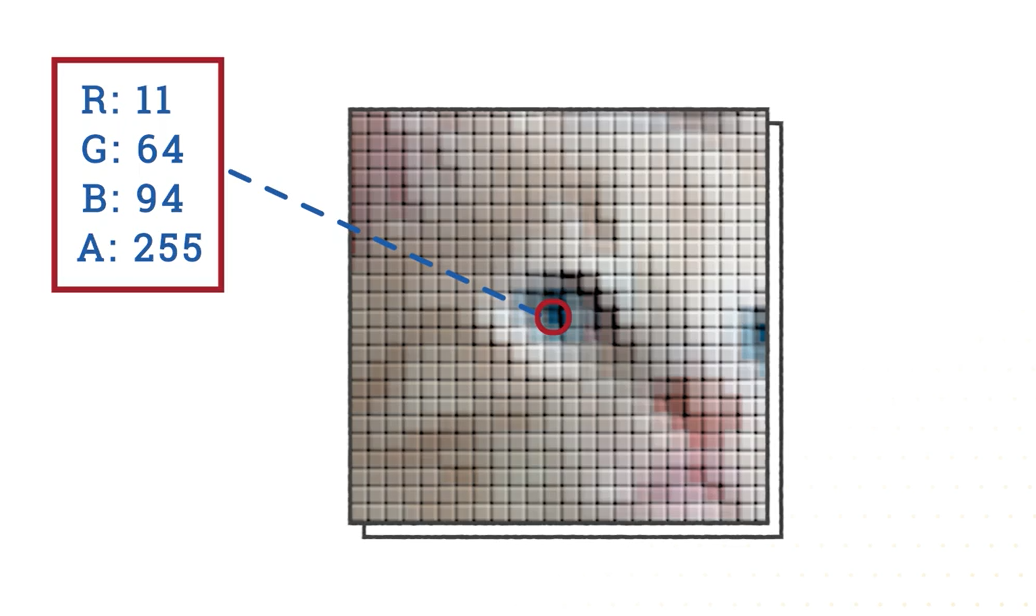
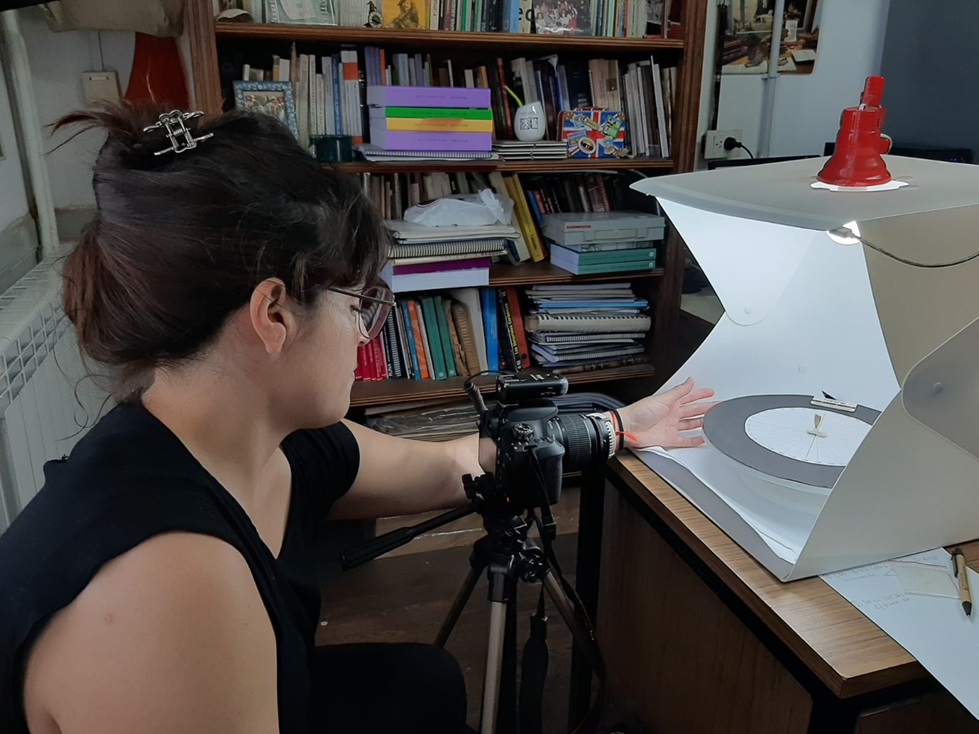
Photogrammetry
Coordinates
Olivia Sokol (Arqueología pampeana del Río Salado - Instituto de Arqueología UBA)
Victor Méndez Muñoz (Pontificia Universidad Católica de Chile)
Schedule: 12.00 a 13.30
Modality: on site
Room 904 Campus Bonifacio
Max. 15 participants
Lunch
Workshop 4
Visualize, Explore, Communicate: Strategies for Science Communication
Visual Anthropology Area – University of Buenos Aires (UBA)
Ondare Irekia | Open Heritage – Spain
Carmen Guarini, Gorka López de Munain, Greta Winckler, Carolina Griffero, Marina Gutiérrez De Angelis
This workshop offers a critical and practical exploration of contemporary strategies in science outreach from an interdisciplinary perspective. Participants will engage with tools and methodologies that integrate emerging technologies such as 360º video and photography, photogrammetry, 3D modeling, virtual and augmented reality, the metaverse, inclusive design, and the development of interactive content. Additionally, the workshop will address the utilization of social media and digital platforms for public engagement with science.
Drawing on experiences from the Visual Anthropology Area at UBA and the Ondare Irekia – Open Heritage project, the workshop aims to promote practices of knowledge production and dissemination that are accessible, participatory, and culturally situated. Emphasis will be placed on constructing visual narratives that foster interaction among researchers, communities, and diverse audiences, thereby expanding the reach and social impact of science.
screening
Mary and the Twelve of the Holy Cross - 360º Video
Carmen Guarini - AVV-UBA
Modalityon site and hybrid
Room 904 Campus Bonifacio
Coffee
Conference
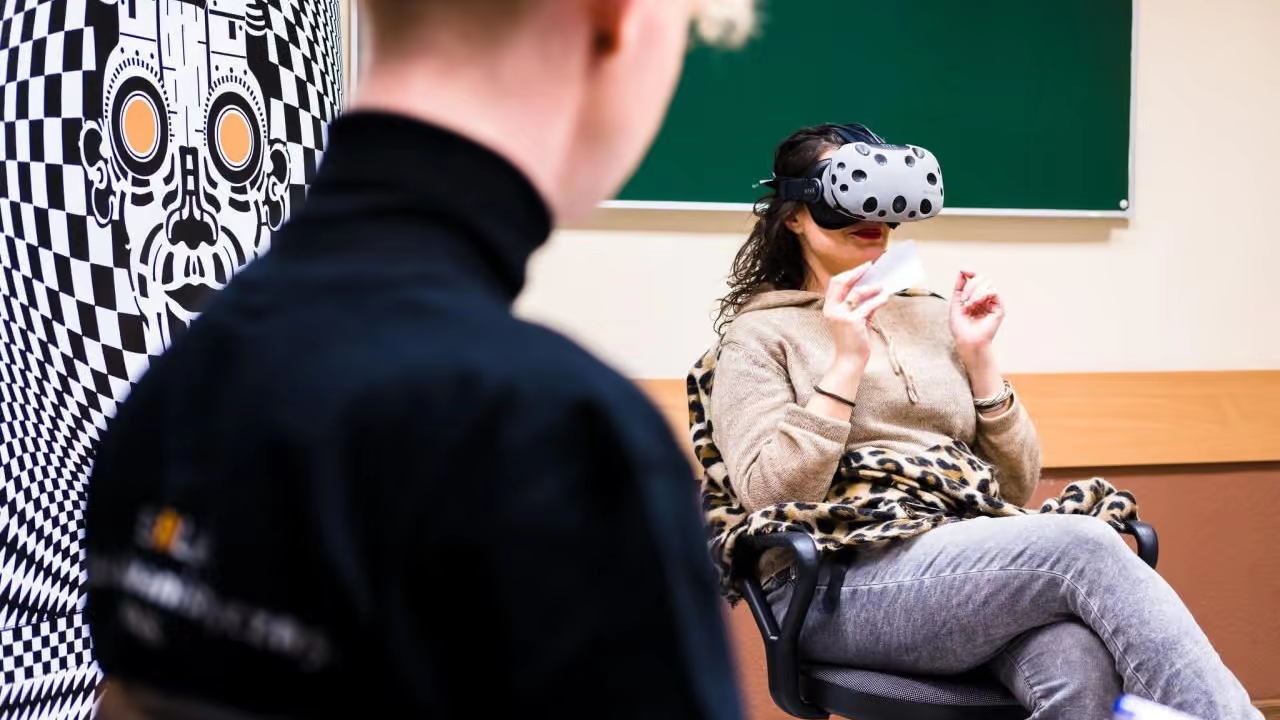
VR as an Anthropological Laboratory: Why Should Virtual Reality Be Interesting for Anthropologists and Beyond?
Jowita Guja y Jan Waligorski - Faculty of Humanities at AGH University of Krakow
Heim emphasized the value of virtuality as a laboratory for exploring our general sense of reality, Metzinger argued that virtual reality (VR) could function as a laboratory for consciousness studies, and Chalmers, from a technophilosophical perspective, highlights VR’s potential to approach philosophical problems from new angles. Building on these insights, this presentation proposes that social VR can also serve as a laboratory for anthropological research. As a boundary case of a sandbox environment, social VR platforms are characterized by extensive user-driven content co-creation –ranging from the design of avatars and world models to the development of interaction mechanics. This makes them unique spaces for investigating how users construct and inhabit reality: when nearly any kind of reality can be created, what kinds are chosen, and why? The presentation will focus on two research questions. First, does the constructed reality reflect (post)national imaginaries? I will examine how users envision (post)national landscapes and (re)produce national identities in virtual spaces,drawing on ethnographic studies of social VR platforms that reveal emerging forms of cybercultural national identities. Second, I will explore how VR serves as a laboratory for studying the (post)human body. While cognitive science has made important advances in understanding embodiment and body ownership using VR, there is a notable lack of anthropological engagement with VR’s potential to address new questions about the (post)human body and its historical boundaries in technocultural contexts.
Schedule 16.30 a 17.30
Modality: on site
Room 904 Campus Bonifacio
Translation by the Residents' Team at the Juan Ramón Fernández Institute for Modern Language Teaching. Iñaki Arrese, Carolina Pochelú, Paula Steimbach, Lucía Álvarez Eguren, and Victoria Lorenzo. Tutor: Prof. Marita Propato.
Final Discussion Session
The closing session of the VII Seminar on Anthropology and Image will consist of a collective conversation aimed at reflecting on the challenges and future directions related to the incorporation of technologies, interdisciplinary methodologies, and new forms of communication within the field of the humanities.
As an outcome of this space, a brief document will be produced, outlining possible lines of action emerging from the dialogue among students, faculty, researchers, and professionals, with the aim of shaping shared agendas and strengthening collaborative networks.
Modality: on site and hybrid
Room 904 Campus Bonifacio

